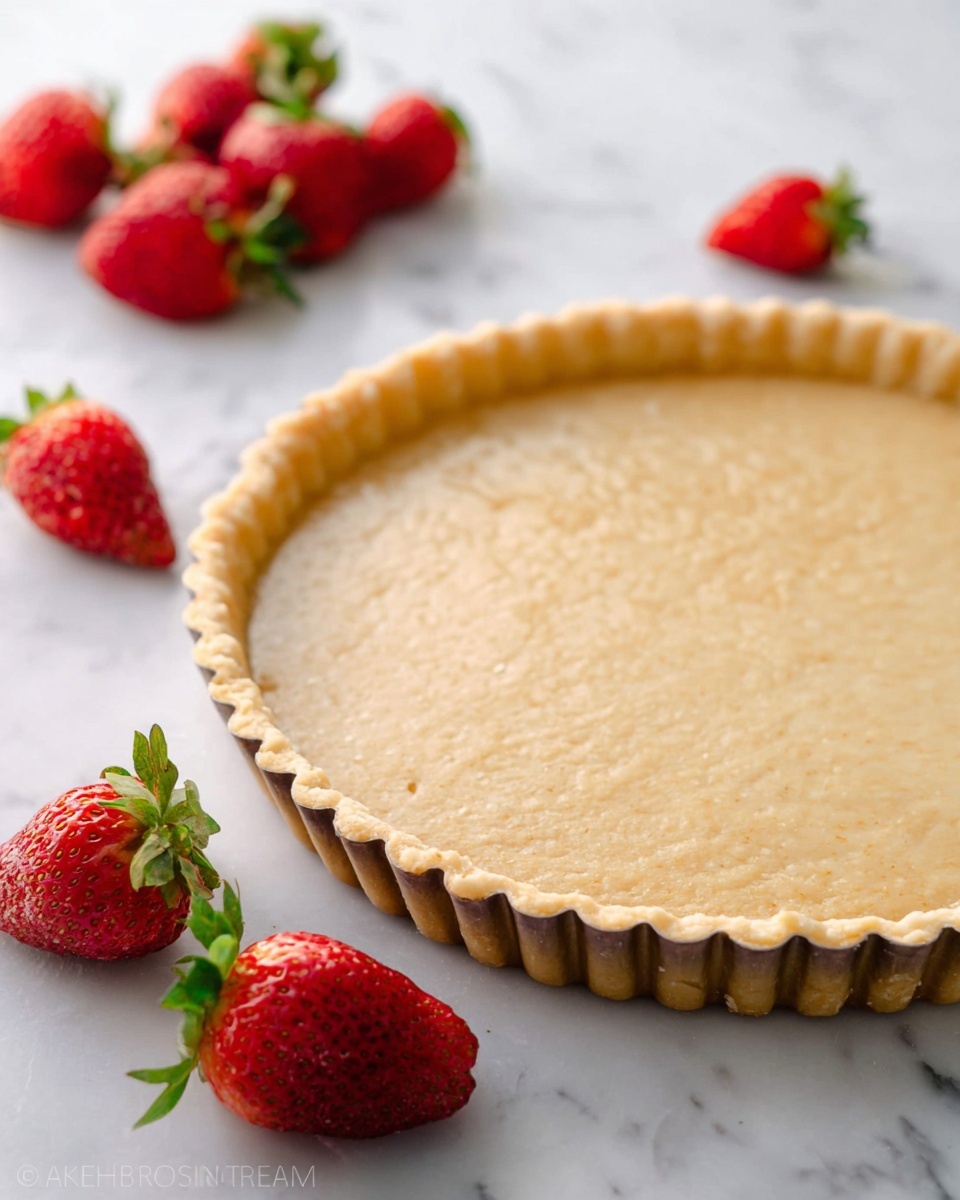
If you’re dreaming of a tart crust that’s buttery, tender, and just the right balance of sweet and crisp, then this Sweet Tart Crust (Pâte Sucrée) Recipe is your new best friend. It’s the perfect foundation for any fruit or custard tart, delivering both a delicate crumb and a subtle sweetness that lets your fillings shine. Whether you’re an experienced baker or just starting out, this recipe offers a foolproof way to create a crust that feels like a little slice of pastry heaven.
Ingredients You’ll Need
This Sweet Tart Crust (Pâte Sucrée) Recipe relies on simple, classic ingredients that work together beautifully to create that perfect texture and flavor. Each component plays a key role in making the crust tender, flavorful, and easy to handle.
- 10 Tbsp unsalted butter (softened at room temperature): Provides richness and flakiness while controlling the dough’s tenderness.
- 1/3 cup granulated sugar: Adds subtle sweetness and helps with browning for that inviting golden crust.
- 1/4 tsp fine sea salt: Enhances all the flavors, balancing the sweetness perfectly.
- 1 large egg yolk: Brings moisture and binds the dough together with a silky texture.
- 1 tsp vanilla extract: Infuses a lovely aromatic note that complements any tart filling.
- 1 1/2 cup all-purpose flour (spooned and leveled, plus more for dusting): The base of the dough, providing structure without toughness.
How to Make Sweet Tart Crust (Pâte Sucrée) Recipe
Step 1: Cream the Butter and Sugar
Start by combining softened butter with granulated sugar and salt in a stand mixer fitted with the paddle attachment. Cream them together on medium speed for 2 to 3 minutes until just combined, scraping down the sides to ensure an even mixture. This step is crucial because it blends the butter with sugar perfectly, contributing to a tender and slightly crisp crust once baked.
Step 2: Add the Egg Yolk and Vanilla
Next, add one large egg yolk and the vanilla extract into the mixture. Beat until fully incorporated, again scraping the bowl as necessary. The egg yolk brings richness and that silky consistency to the dough, while vanilla deepens the flavor profile in a subtle but noticeable way.
Step 3: Incorporate the Flour
Now add the flour in one go and mix on low speed for about one minute, just until the flour disappears and the dough starts to come together. Overmixing here can lead to a tough crust, so keep it gentle. Once the dough is ready, transfer it to a clean surface and shape it into a flat disk—this makes rolling out or pressing it into your tart pan a whole lot easier.
Step 4: Press the Dough Into the Tart Pan
Press your dough evenly into an 11-inch or 10-inch tart pan, aiming for about 1/4 inch thickness all over – both bottom and sides. Use the bottom of a measuring cup to press the corners squarely to get those classic sharp edges. Finish by flattening or trimming the top edges so it sits flush with the pan. If you have any scraps, don’t toss them; patch any thin spots for an even bake.
Step 5: Chill and Bake the Crust
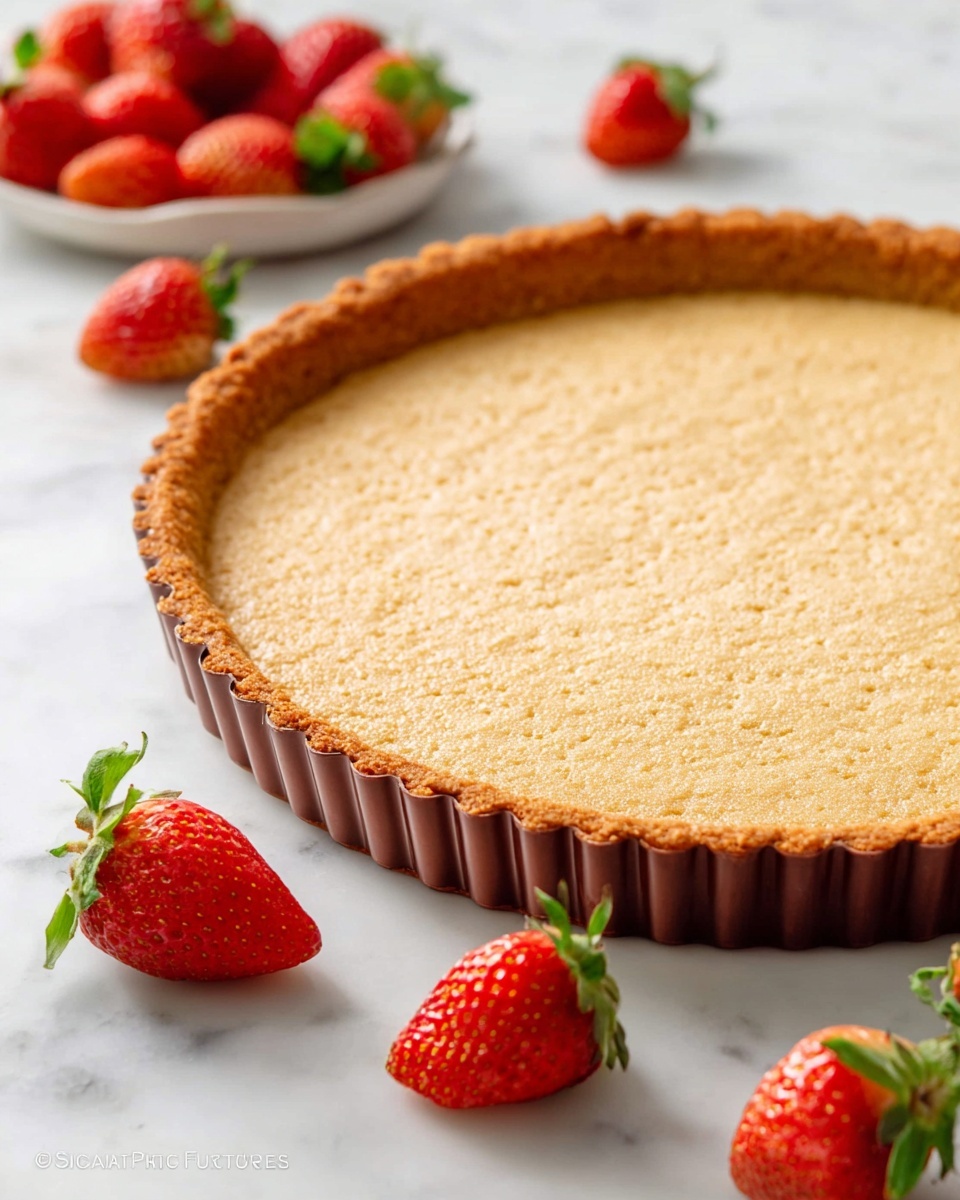
Cover the crust with plastic wrap and freeze it for 30 minutes. This chilling step is essential to prevent shrinking and maintains the dough’s shape during baking. Preheat your oven to 350˚F, place the tart pan on a baking sheet for easy handling, and bake for 25 to 28 minutes until your crust is beautifully golden brown. It’s that golden color and aroma that tells you it’s ready!
Step 6: Cool and Remove from Pan
Let the tart crust cool completely on a wire rack. Once at room temperature, carefully press out the outer rim by pushing on the base of the mold. Then, use a knife to gently loosen the crust from the base all around the edges so it comes out cleanly without cracking. This careful removal keeps your tart looking professional and intact.
How to Serve Sweet Tart Crust (Pâte Sucrée) Recipe
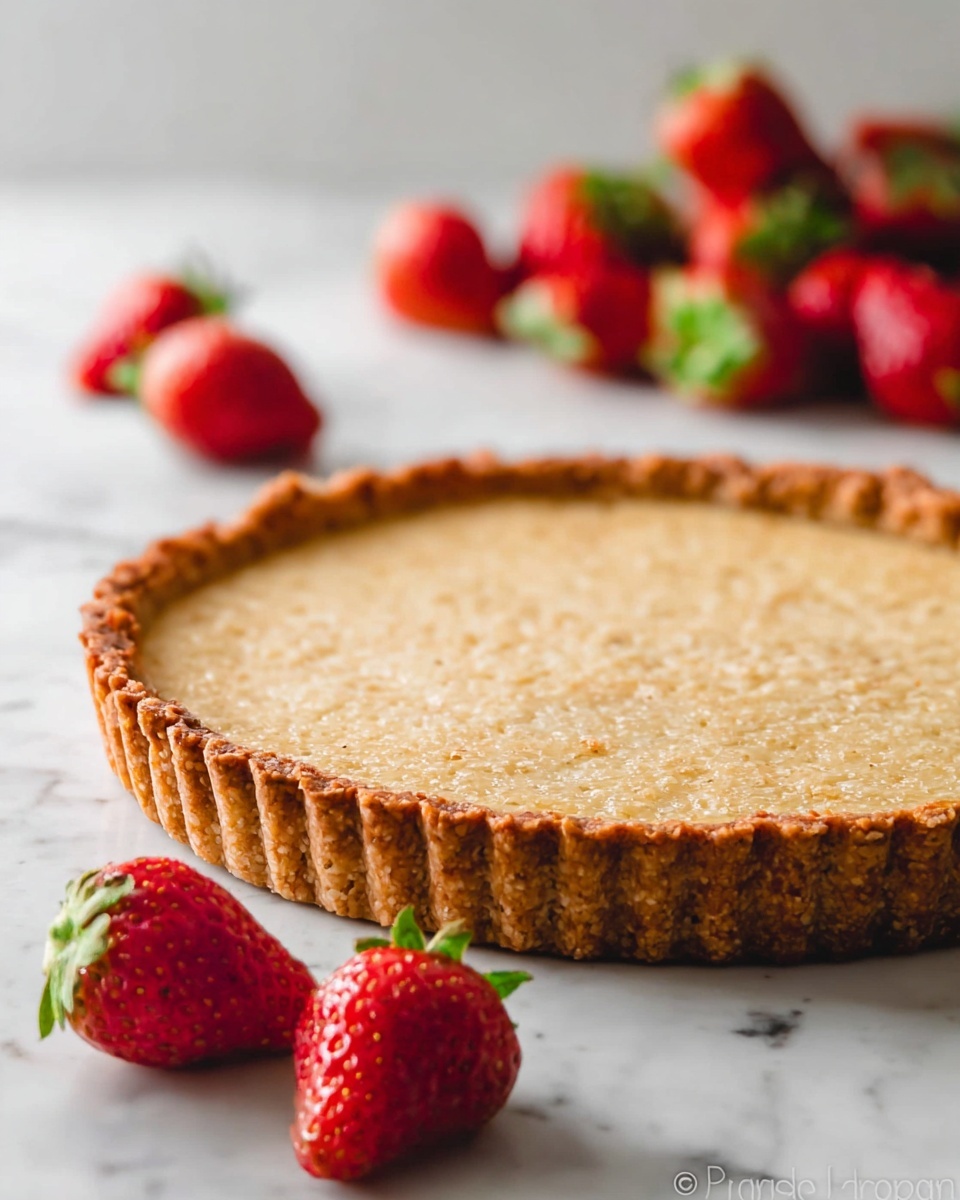
Garnishes
This Sweet Tart Crust (Pâte Sucrée) Recipe pairs wonderfully with fresh berries, glazed fruits, or a dusting of powdered sugar. Think juicy raspberries, sliced kiwis, or glossy apricot glaze for an elegant touch. The sweet, crisp crust acts as a perfect base to highlight any fresh, colorful topping.
Side Dishes
Serve your tart with a dollop of whipped cream, a scoop of vanilla bean ice cream, or a drizzle of high-quality chocolate sauce. These simple sides elevate the dessert experience and contrast beautifully with the buttery sweetness of the crust.
Creative Ways to Present
Try using this Sweet Tart Crust (Pâte Sucrée) Recipe as the base for mini tarts or tartlets for party platters. Layer with pastry cream, mousse, or curd to create stunning individual desserts. Play with textures by adding crunchy nuts or soft fruits for a beautiful and delicious treat everyone will admire.
Make Ahead and Storage
Storing Leftovers
Leftover tart crust can be stored at room temperature in an airtight container for up to 2 days without losing its crispness. If you want to keep it longer, refrigeration helps, but make sure it comes to room temperature before serving for the best texture.
Freezing
You can freeze the unbaked pressed dough in the tart pan for up to 1 month. Just wrap it tightly in plastic wrap and aluminum foil. When ready to bake, no need to thaw—just add a couple of extra minutes to the baking time and keep an eye on the color.
Reheating
To reheat baked crust, place it in a 325˚F oven for about 5 to 7 minutes to refresh its crispiness without drying it out. This quick warm-up is perfect before adding your filling or garnishes for serving.
FAQs
Can I make Sweet Tart Crust (Pâte Sucrée) Recipe without a stand mixer?
Absolutely! You can cream the butter and sugar using a hand mixer or even by hand with a sturdy wooden spoon. Just make sure to soften the butter fully and mix well until the texture is smooth.
What if my dough is too sticky to handle?
If the dough feels sticky, pop it in the fridge for 15 to 20 minutes to firm up. Dust your hands and workspace lightly with flour, but avoid adding too much flour to keep the crust tender.
Can I substitute the all-purpose flour with almond flour?
Almond flour will change the texture and crumb, making the crust softer and slightly more fragile. For best results, stick with all-purpose flour, but if you want to experiment, combine almond and all-purpose flour to maintain structure.
Why is chilling the dough before baking important?
Chilling solidifies the butter which helps prevent shrinking during baking and preserves the shape of the crust. It also allows the flour to fully hydrate, leading to a tender, flaky finish.
How can I prevent the tart crust from getting soggy once filled?
Blind bake the crust until golden, and consider brushing it with a thin layer of melted chocolate or egg white before adding wet fillings. This creates a barrier that keeps the crust crisp longer.
Final Thoughts
This Sweet Tart Crust (Pâte Sucrée) Recipe is a classic that makes every tart feel special, whether you’re filling it with fresh fruit, creamy custard, or decadent chocolate. It’s incredibly rewarding to master this versatile pastry that combines simplicity and elegance in every bite. I can’t wait for you to try it and start crafting your own stunning, delicious tarts at home!
Print
Sweet Tart Crust (Pâte Sucrée) Recipe
- Prep Time: 17 minutes
- Cook Time: 28 minutes
- Total Time: 45 minutes
- Yield: 1 tart crust (fits a 10-inch or 11-inch tart pan)
- Category: Dessert
- Method: Baking
- Cuisine: French
Description
This Sweet Tart Crust recipe, also known as Pâte Sucrée, is a classic French pastry dough that’s crisp, buttery, and perfectly sweetened. Ideal for fruit tarts or any delicate dessert requiring a sturdy yet tender crust, this recipe guides you through preparing a flaky tart shell with ease.
Ingredients
Tart Crust Ingredients
- 10 Tbsp unsalted butter (softened at room temperature)
- 1/3 cup granulated sugar
- 1/4 tsp fine sea salt
- 1 large egg yolk
- 1 tsp vanilla extract
- 1 1/2 cups all-purpose flour (spooned and leveled, plus more for dusting)
Instructions
- Cream Butter, Sugar, and Salt: In the bowl of a stand mixer fitted with the paddle attachment, combine the sugar, salt, and softened butter. Cream together on medium speed for 2-3 minutes until just combined, scraping down the bowl as needed to ensure an even mixture.
- Add Egg Yolk and Vanilla: Incorporate the egg yolk and vanilla extract into the creamed mixture, beating until fully combined and smooth, again scraping down the bowl to integrate all ingredients evenly.
- Incorporate Flour and Form Dough: Add the flour and mix on low speed until the flour is fully incorporated and the dough begins to come together, about 1 minute. Transfer the dough onto a clean work surface and gently shape it into a flat disk.
- Press Dough into Tart Pan: Place the dough disk into an 11-inch or 10-inch round tart pan, pressing it down to a uniform 1/4-inch thickness along the bottom and sides. Use the bottom of a measuring cup to square the corners. Flatten the top edge with fingertips or trim with a paring knife so it sits flush with the pan’s rim. Patch any thin areas with leftover scraps as needed.
- Freeze Before Baking: Cover the tart shell with plastic wrap and freeze for 30 minutes while preheating the oven. This step helps prevent shrinking during baking.
- Bake the Tart Shell: Preheat the oven to 350°F (175°C). Place the tart pan on a baking sheet for easy handling and bake in the center of the oven for 25-28 minutes, or until the crust turns golden brown.
- Cool and Remove from Pan: Transfer the baked tart shell to a wire rack and let it cool completely to room temperature. Carefully remove the outer rim by pushing on the base of the mold. To release the crust from the base, gently insert a knife between the crust and pan edges, moving around to ensure the crust releases smoothly without breaking.
Notes
- Freezing the dough before baking helps maintain the crust’s shape and prevents shrinking in the oven.
- Using a round tart pan with a removable bottom makes it easier to remove the crust without damage.
- Spoon and level the flour to avoid adding too much, ensuring a tender crust.
- The dough can be wrapped and refrigerated up to 2 days before baking or frozen for longer storage.