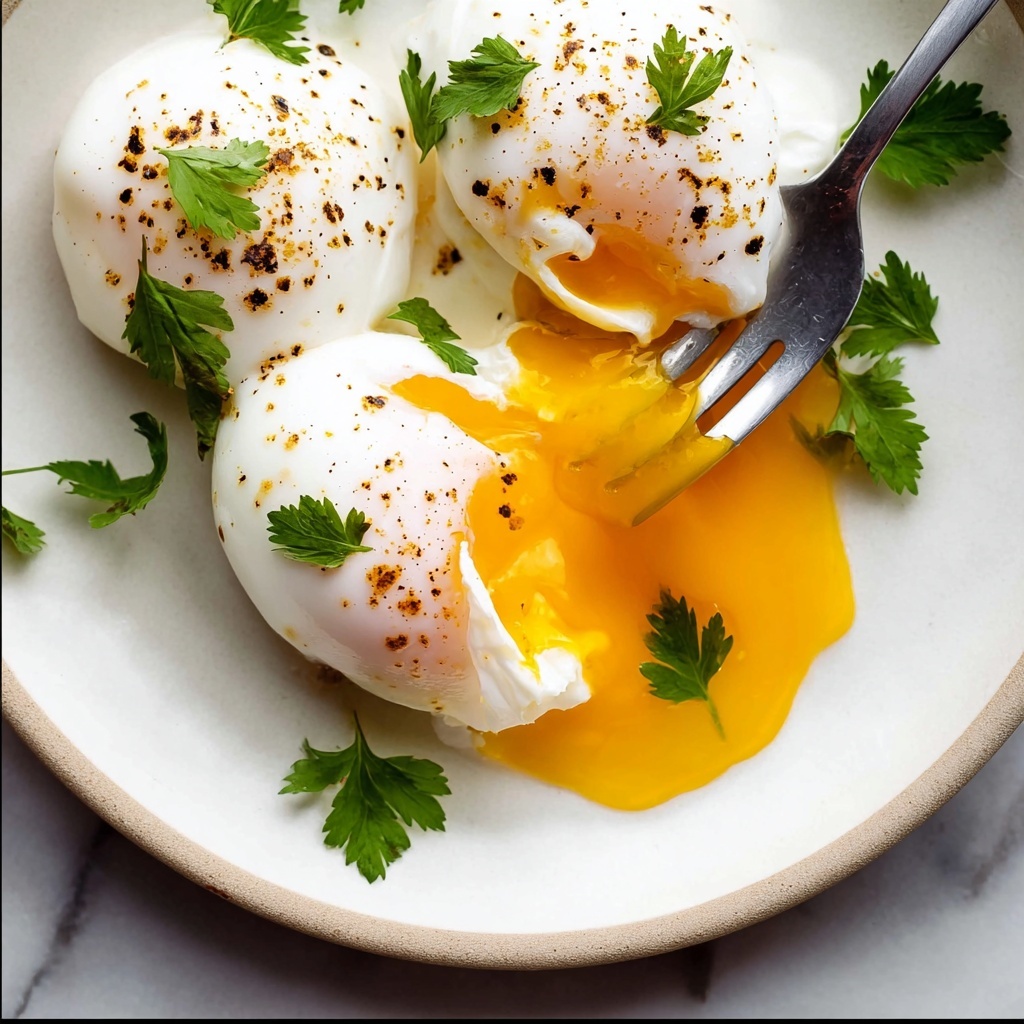
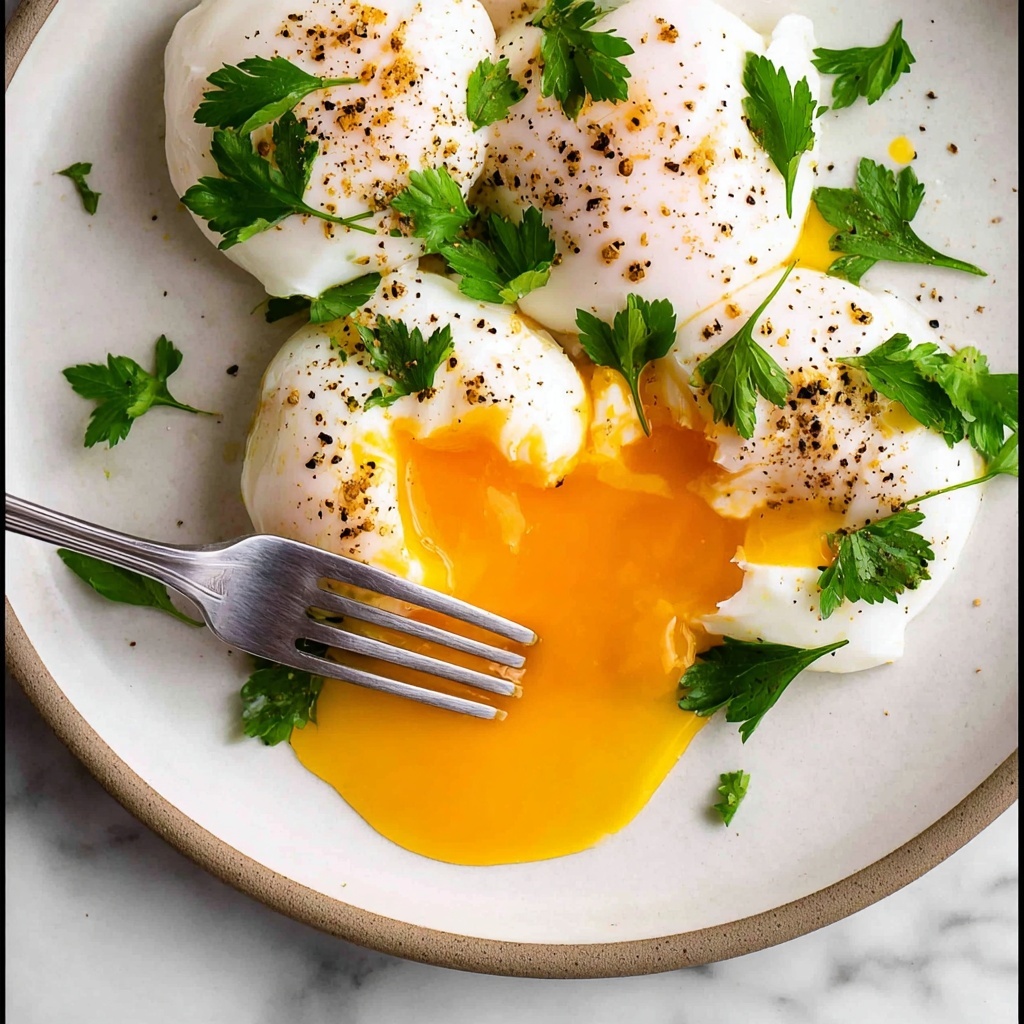
If you’ve ever struggled with getting perfectly tender and beautifully shaped poached eggs, you’re in the right place. This Perfect Poached Eggs Recipe is my go-to method for effortlessly creating silky whites wrapped around luscious, runny yolks every single time. Whether it’s for a leisurely weekend brunch or a quick breakfast fix, mastering these eggs will elevate your meals with a touch of elegant simplicity that feels fancy but is unbelievably straightforward.
Ingredients You’ll Need
One of the best parts about this recipe is how few ingredients you require, yet each plays a key role in achieving those flawless poached eggs. Focusing on quality and freshness will truly show in the end result.
- Eggs (1 to 6, fridge cold): Fresh, cold eggs ensure the whites hold together better and create that silky texture we crave.
- White vinegar or cider vinegar (2 tbsp): This helps the egg whites coagulate quickly, keeping them compact and neat during cooking, especially when using the whirlpool method.
- Water: The medium for poaching, the temperature and depth are crucial for gentle cooking.
How to Make Perfect Poached Eggs Recipe
Step 1: Prepare the Water
Start with a deep skillet or saucepan filled with about 3 inches of water. Heat it until gentle simmering occurs—small bubbles should form on the bottom, but avoid a vigorous boil as it can break apart the eggs.
Step 2: Add Vinegar to the Water
Pour in your 2 tablespoons of white or cider vinegar. Vinegar adds just enough acidity to help the egg whites firm quickly, which is essential for that perfectly shaped poached egg.
Step 3: Create a Gentle Whirlpool
Using a spoon, stir the water in one direction to create a slow, swirling motion. This whirlpool helps the egg white wrap neatly around the yolk. This step is optional but highly recommended for the tidiest poached eggs.
Step 4: Crack the Egg into a Small Bowl
Gently crack your cold egg into a small ramekin or cup. This makes it much easier to slide the egg smoothly into the water without breaking any yolks.
Step 5: Slide the Egg into the Center of the Whirlpool
Slowly lower the ramekin’s edge just above the water’s surface and carefully tip the egg in. The swirling water will help the egg white to wrap itself around the yolk.
Step 6: Cook and Remove
Let the egg cook for about 2 to 3 minutes, depending on how runny you like your yolk. When done, gently lift it out with a slotted spoon and place it on a paper towel to drain any excess water.
How to Serve Perfect Poached Eggs Recipe
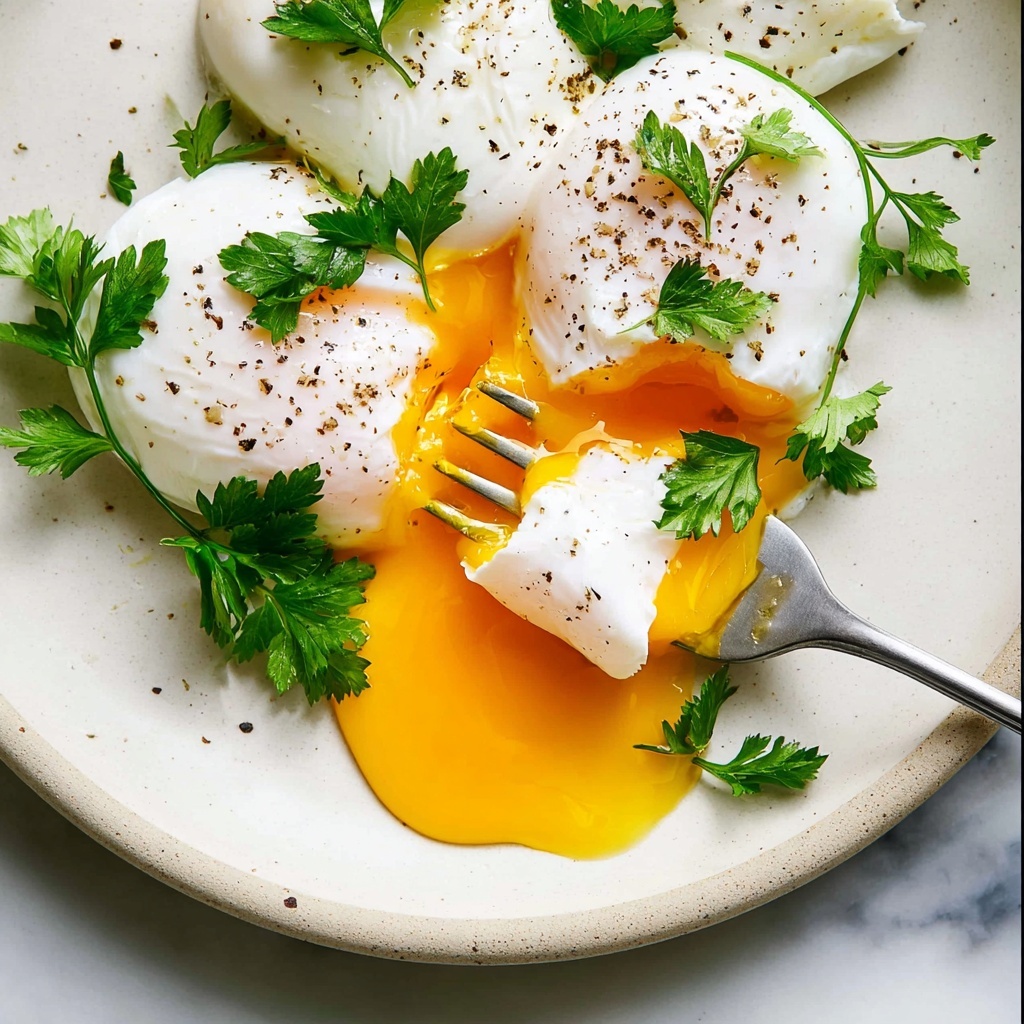
Garnishes
Simple garnishes like a sprinkle of cracked black pepper, flaky sea salt, or fresh chopped herbs such as chives or parsley can really elevate the poached eggs. A light drizzle of olive oil or a dash of smoked paprika adds a tasty finishing touch without overpowering the delicate eggs.
Side Dishes
Poached eggs are incredibly versatile and pair beautifully with toasted sourdough, avocado slices, sautéed greens, or even a hearty bowl of grain salad. Classics like Eggs Benedict with hollandaise sauce are always crowd-pleasers, but feel free to get creative!
Creative Ways to Present
For a fun presentation, try placing the eggs on top of crispy bacon nests or roasted tomatoes, or serve them alongside roasted asparagus drizzled with lemon. The key is highlighting the eggs’ silky texture against a backdrop of vibrant, fresh ingredients.
Make Ahead and Storage
Storing Leftovers
If you have leftover poached eggs, store them in a bowl of cold water in the fridge to keep them moist and prevent overcooking. They are best enjoyed within 24 hours for optimal texture and flavor.
Freezing
Freezing poached eggs is generally not recommended since it can compromise their delicate texture. For the best taste, it’s worth either eating them fresh or refrigerating briefly instead.
Reheating
To gently reheat, submerge the poached eggs in warm (not boiling) water for about a minute. This warms the eggs evenly without cooking them further or toughening the whites.
FAQs
Can I poach an egg without vinegar?
Yes, but vinegar helps the whites set faster and keeps the egg neat. Without it, the whites may spread more in the water, resulting in a less tidy appearance.
How fresh should eggs be for poaching?
The fresher, the better! Very fresh eggs have firmer whites that hold their shape well during cooking, giving you those picture-perfect poached eggs.
Why is my poached egg stringy?
Stringy whites usually mean the egg wasn’t very fresh, or the water was boiling too vigorously. Gentle simmering and fresh eggs help avoid this issue.
How long do you cook poached eggs for a runny yolk?
Generally, 2 to 3 minutes in gently simmering water yields a runny yolk, but it can be adjusted a bit based on your stove and pot size.
Can I poach multiple eggs at once?
Absolutely! Just be sure to add them one at a time gently, and keep the water at a steady simmer. A larger pot helps prevent overcrowding.
Final Thoughts
Now that you have this step-by-step Perfect Poached Eggs Recipe, I hope you feel confident and excited to whip up flawless poached eggs anytime you wish. They’re a simple pleasure with endless culinary possibilities, so tie on your apron and treat yourself to that silky, tender egg magic!
Print
Perfect Poached Eggs Recipe
- Prep Time: 1 minute
- Cook Time: 2 minutes
- Total Time: 3 minutes
- Yield: 1 to 6 poached eggs
- Category: Breakfast
- Method: Stovetop
- Cuisine: International
Description
This classic poached eggs recipe delivers perfectly cooked eggs with a tender white and runny yolk. Ideal for breakfast or brunch, these elegant eggs are made using a simple stovetop method with optional vinegar to help the whites coagulate. Whether making one egg or six, this technique ensures deliciously smooth poached eggs every time.
Ingredients
Eggs
- 1 to 6 eggs, cold from the fridge
Optional
- 2 tbsp white vinegar or cider vinegar (recommended for whirlpool method)
Instructions
- Prepare the Water: Fill a saucepan with about 3-4 inches of water and bring it to a gentle simmer over medium heat. The water should be at a low simmer, not boiling vigorously.
- Add Vinegar (Optional): If using, add 2 tablespoons of white or cider vinegar to the simmering water. This helps the egg whites to coagulate more quickly, resulting in a neater poached egg.
- Create a Whirlpool (Optional): Using a spoon, stir the water in one direction to create a gentle whirlpool. This technique helps the egg white wrap around the yolk, forming a compact shape.
- Crack the Egg: Crack one egg into a small cup or bowl, ensuring the yolk remains intact for easy transfer.
- Poach the Egg: Gently slide the egg from the cup into the center of the whirlpool or directly into the simmering water if not using the whirlpool method. Let cook undisturbed for about 2 minutes, or until the whites are fully set but the yolk remains soft.
- Remove and Serve: Use a slotted spoon to carefully lift the poached egg out of the water. Allow any excess water to drain off before serving. Repeat for additional eggs as desired.
Notes
- Use the freshest eggs possible for the best poaching results.
- The vinegar in the water is optional but helps with egg white coagulation in the whirlpool method.
- If cooking multiple eggs, avoid crowding the pan or poach them one at a time.
- Serve poached eggs immediately for best texture and flavor.
- To reheat, briefly place poached eggs in hot water for about 30 seconds.