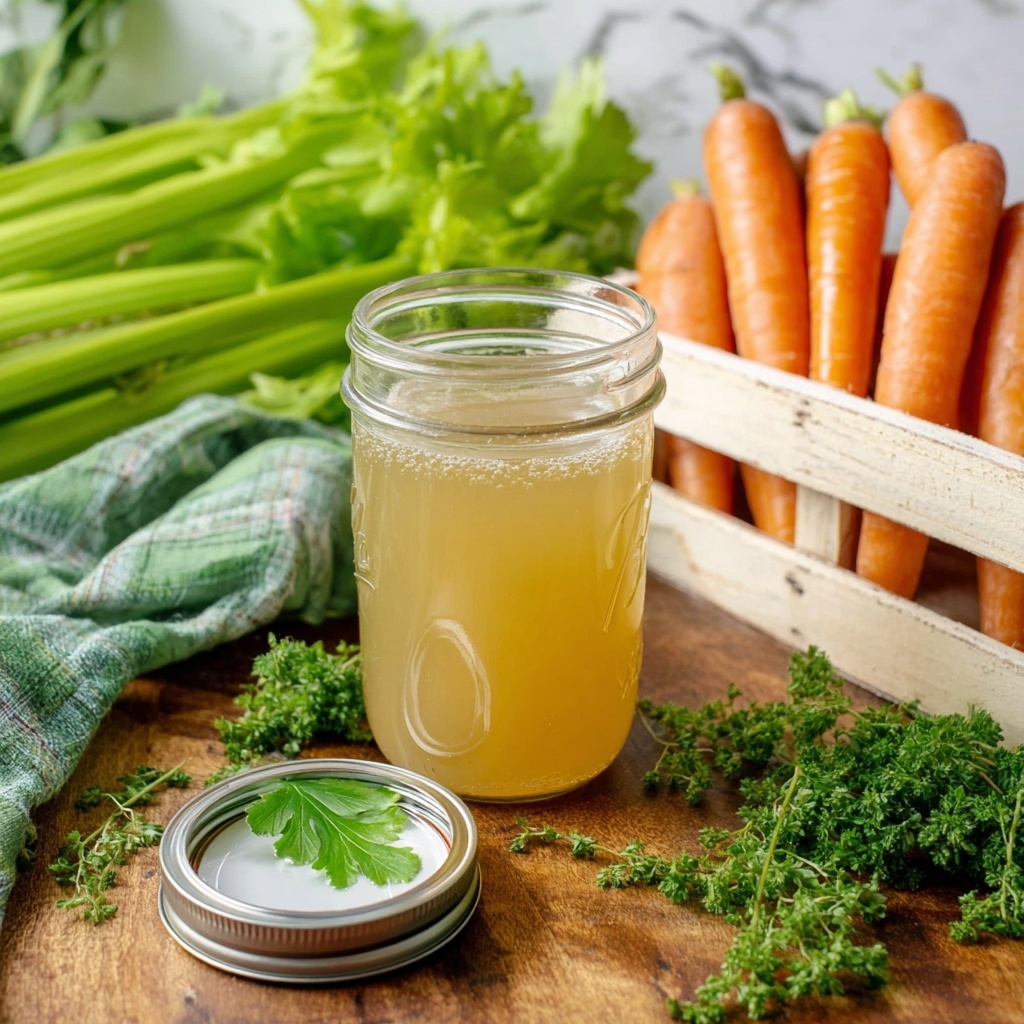
If you’ve ever wished you could capture all the rich, savory goodness of turkey leftovers without any waste, let me introduce you to the magic of this Homemade Roasted Turkey Stock Recipe. It’s a beautiful, deeply flavored base that transforms simple ingredients into a luscious broth perfect for soups, gravies, or any dish begging for that comforting, roasted turkey essence. What makes this recipe extra special is the roasting step before the simmer, which brings out caramelized, nutty notes that plain stock can’t match. Trust me, once you have a batch of this in your kitchen arsenal, you’ll wonder how you ever lived without it!
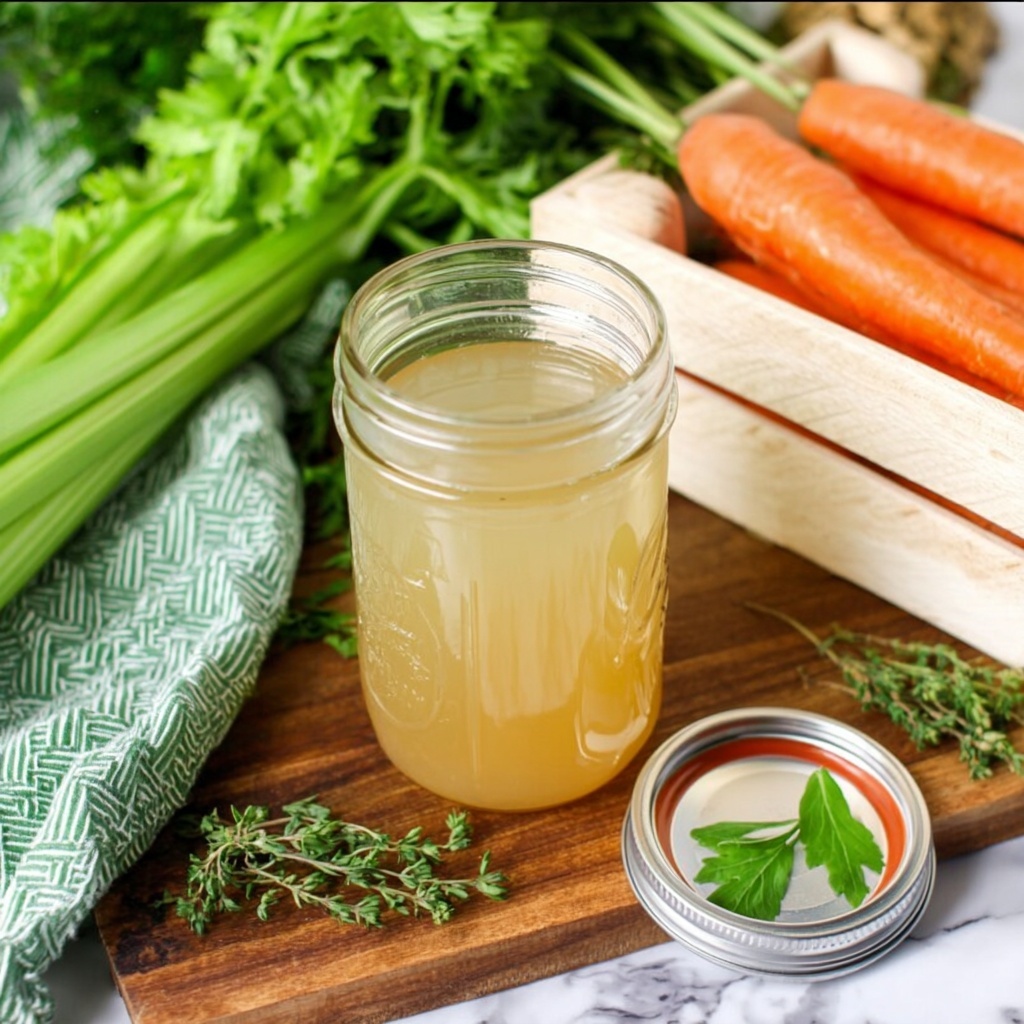
Ingredients You’ll Need
Gathering the right ingredients sets the foundation for an incredible stock. This recipe keeps it simple but thoughtful, with each item adding unique depth whether through sweetness, earthiness, or herbal brightness.
- 3 lbs. Turkey (Raw): Use necks, spines, or any leftover bones—it’s the core flavor powerhouse.
- 1 1/2 gallons Water: The canvas that gently coaxes all the flavors out.
- 8 Carrots (Whole, chopped): Adds subtle sweetness and vibrant color to the broth.
- 8 Celery Stalks (chopped): Brings a clean, aromatic crunch that balances richer flavors.
- 2 Onions (quartered): Delivers savory depth and a touch of natural sweetness when roasted.
- 2 cups Parsley (Fresh loosely packed): Freshens the stock with a mild herbal note.
- 1 cup Sage (Fresh loosely packed): Offers a warm, slightly peppery edge that matches turkey perfectly.
- 5 Thyme Sprigs (Fresh): Infuses the stock with gentle earthiness and floral nuances.
- Olive Oil: Helps the veggies and turkey roast beautifully, enhancing caramelization.
- Salt and Pepper (to taste): Essential for seasoning and rounding out all the flavors.
How to Make Homemade Roasted Turkey Stock Recipe
Step 1: Preheat Your Oven
Start by heating your oven to 400 degrees Fahrenheit. This high temperature is crucial to roasting the turkey and vegetables until they develop a rich, golden brown color that forms the backbone of a flavorful stock.
Step 2: Prepare the Turkey and Veggies
Place your raw turkey pieces such as necks and spines on a baking sheet along with the chopped carrots, celery, and quartered onions. These raw ingredients will roast together, combining their aromas and preparing for a deep, complex broth.
Step 3: Season and Oil
Gently brush olive oil over the turkey and vegetables, then sprinkle them with salt and freshly cracked pepper. This helps everything caramelize beautifully, locking in flavor while adding a tantalizing golden crust.
Step 4: Roast Until Perfect
Pop the baking sheet into the oven and roast for 45 minutes. The smell of the roasted ingredients alone is enough to make your mouth water, as caramelized turkey and veggies release an irresistible aroma.
Step 5: Combine with Herbs and Water
Once out of the oven, transfer all the roasted turkey and vegetables to a large stock pot. Don’t forget to pour any delicious juices from the baking sheet into the pot. Then add fresh thyme, sage, parsley, and the full 1 1/2 gallons of water. These herbs will infuse layers of fresh, fragrant notes into your stock.
Step 6: Bring to a Boil and Simmer
Heat everything until it reaches a boil, then reduce to a gentle simmer. Allow the stock to cook slowly for three hours, which is key for extracting every ounce of flavor and mineral goodness from bones and herbs.
Step 7: Monitor and Adjust
Check in every so often to see if any water has evaporated. Add more if necessary to maintain the optimal liquid level, ensuring your stock remains rich without becoming overly concentrated.
Step 8: Cool and Remove Fat
Remove the pot from heat and let it cool until fat rises and hardens on the surface. Skimming this off gives you a cleaner, less greasy stock without sacrificing flavor.
Step 9: Strain Out Solids
Use a slotted spoon or tongs to lift out the turkey pieces and large vegetable chunks, discarding them as their flavor has now been fully extracted.
Step 10: Filter Through Cheesecloth
Line a large bowl with cheesecloth or a clean flour sack towel. Pour your stock slowly through the cloth to catch finer particles. When the liquid slows, gently squeeze the cloth from top down, careful not to force any excess fats through.
Step 11: Final Seasoning
Taste your stock and add salt or pepper as needed. This is your chance to balance and perfect the flavor before storage or use.
Step 12: Store or Use Immediately
Pour the finished stock into sealed containers. Refrigerate if using within a few days or prepare for freezing. This Homemade Roasted Turkey Stock Recipe is now ready to elevate your meals!
How to Serve Homemade Roasted Turkey Stock Recipe
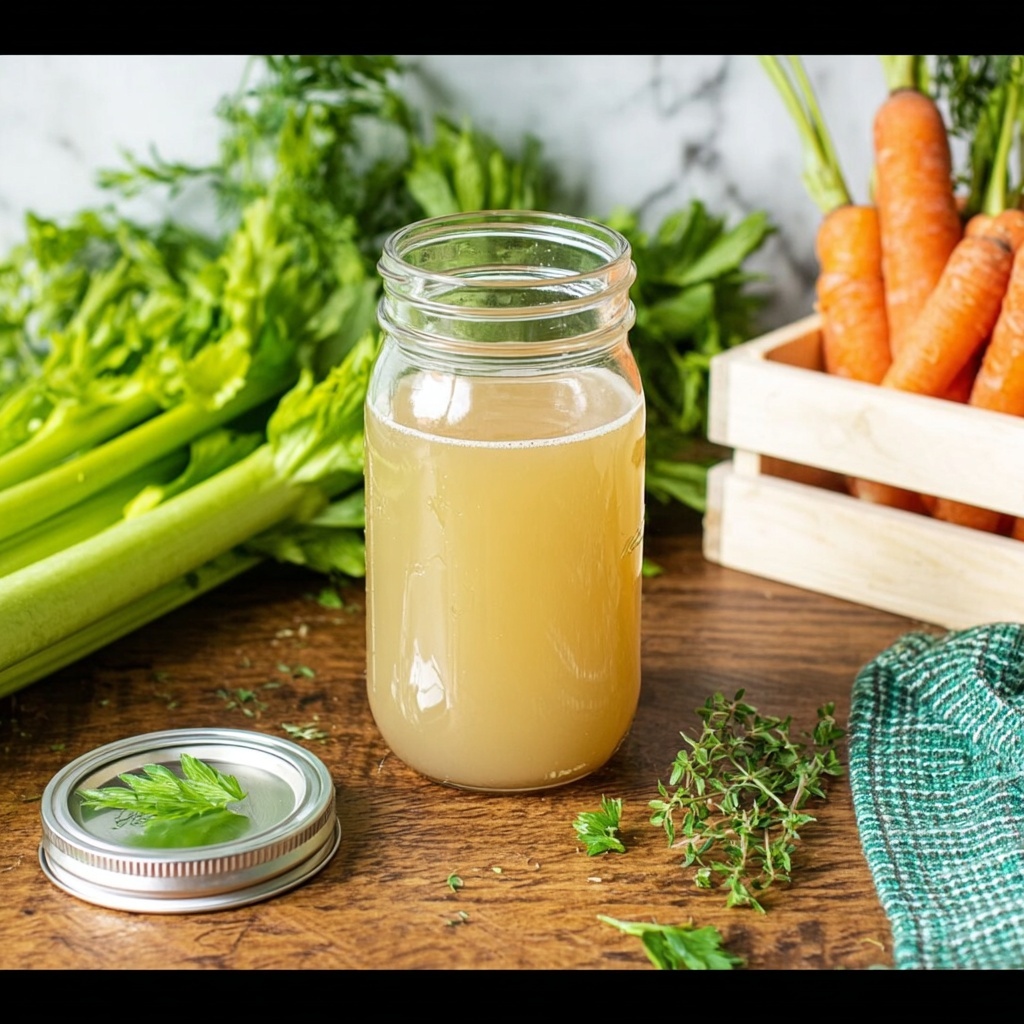
Garnishes
A simple garnish like fresh chopped parsley or a few thyme leaves can brighten a bowl of turkey stock, making it feel fresh and inviting. Adding a dash of cracked black pepper or a squeeze of lemon can also elevate the flavors beautifully.
Side Dishes
Rich turkey stock pairs wonderfully with crusty bread to soak up every drop or alongside roasted root vegetables for a cozy, hearty meal. It’s also a perfect companion for light salads when you want a warming sip on the side.
Creative Ways to Present
Why not turn your stock into a base for a festive soup or a comforting risotto? Freeze portions in ice cube trays for quick flavor bombs that brighten sauces or side dishes. This Homemade Roasted Turkey Stock Recipe is versatile enough to inspire your culinary creativity!
Make Ahead and Storage
Storing Leftovers
Store your turkey stock in airtight containers in the refrigerator for up to 4 days. Keeping it chilled well ensures the flavors stay fresh and the quality is maintained for your next dish.
Freezing
For longer storage, freeze your stock in freezer-safe containers or portion it into smaller batches. It freezes exceptionally well for up to 3 months, allowing you to pull out rich, ready-to-use stock whenever your recipes call for it.
Reheating
When reheating, do so gently over low heat to preserve the nuanced flavors and prevent breaking down any richness you worked so hard to create. Stir occasionally and season to taste before serving.
FAQs
Can I use leftover turkey bones instead of raw turkey?
Absolutely! Both work wonderfully, but roasting raw turkey bones first, as in this recipe, enhances flavor by developing caramelized notes you can’t get otherwise.
How long can I keep Homemade Roasted Turkey Stock Recipe in the fridge?
Keep it refrigerated for up to 4 days. Beyond that, it’s safer and tastier to freeze your stock for longer storage.
Is it necessary to roast the vegetables and turkey first?
Roasting is highly recommended because it intensifies flavor and adds a beautiful depth that plain simmering can’t achieve alone.
Can I omit any of the herbs?
You can adjust herbs to your preference, but thyme, sage, and parsley are traditional and complement turkey wonderfully. Feel free to experiment!
What can I do if my stock turns out cloudy?
Straining carefully through cheesecloth and avoiding vigorous boiling helps keep the stock clear. Letting it cool so fat solidifies on top for easy removal also contributes to clarity.
Final Thoughts
This Homemade Roasted Turkey Stock Recipe is more than just a foundation for soups and gravies; it’s a flavor-packed treasure that brings warmth and depth to your cooking. It’s simple, satisfying, and a fantastic way to honor every part of your turkey. I can’t wait for you to give it a try and experience the delicious comfort it brings to your kitchen!
Print
Homemade Roasted Turkey Stock Recipe
- Prep Time: 5 minutes
- Cook Time: 3 hours 45 minutes
- Total Time: 3 hours 50 minutes
- Yield: 3.3 liters
- Category: Stock/Broth
- Method: Roasting and Stovetop Simmering
- Cuisine: American
Description
This homemade turkey stock recipe yields a rich and flavorful broth by roasting turkey parts and vegetables before simmering them with fresh herbs. Perfect for soups, gravies, and enhancing various dishes, this stock delivers deep notes and natural umami from turkey bones, aromatic vegetables, and savory herbs.
Ingredients
Main Ingredients
- 3 lbs. Turkey (raw, including neck, spine, and other parts)
- 1 1/2 gallons Water
- 8 Carrots (whole, chopped)
- 8 Celery Stalks (chopped)
- 2 Onions (quartered)
- 2 cups Fresh Parsley (loosely packed)
- 1 cup Fresh Sage (loosely packed)
- 5 Sprigs Fresh Thyme
- Olive Oil (enough to brush)
- Salt (to taste)
- Black Pepper (to taste)
Instructions
- Preheat Oven: Preheat your oven to 400 degrees Fahrenheit to prepare for roasting the turkey and vegetables, which helps develop deeper flavors.
- Arrange Ingredients: Place the raw turkey parts (neck, spine, etc.) on a baking sheet along with the chopped carrots, celery, and quartered onions.
- Season and Oil: Brush the turkey and vegetables with olive oil and season generously with salt and pepper for enhanced flavor and to aid in caramelization.
- Roast: Bake the ingredients in the preheated oven for 45 minutes until nicely browned, adding rich color and taste to the stock.
- Combine in Stock Pot: Transfer the roasted turkey and vegetables to a large stockpot. Add the fresh thyme, sage, parsley, and 1 1/2 gallons of water. Be sure to pour any juices collected on the baking sheet into the pot to maximize flavor.
- Simmer: Bring the mixture to a boil, then reduce heat and let it simmer gently for 3 hours. Stir occasionally and monitor the liquid level.
- Add Water if Needed: Check periodically and add additional water if the stock reduces too much during simmering.
- Cool and Skim Fat: Remove the pot from heat and let it cool until the fat solidifies on top. Skim off as much hardened fat as possible using a spoon or tongs.
- Strain the Stock: Place a large bowl under a cheesecloth or flour sack towel. Pour the stock through the cloth to filter out solids. Gently squeeze the cloth to extract more liquid without forcing excess fat through.
- Adjust Seasoning: Taste the strained stock and add additional salt or pepper as desired to balance the flavor.
- Store: Pour the stock into sealed containers and refrigerate until ready to use. Use within several days or freeze for longer storage.
Notes
- Using turkey neck, spine, and leftover bones intensifies the flavor and extracts more gelatin for a richer stock.
- Roasting the ingredients before simmering adds depth and a caramelized aroma to your stock.
- Simmer gently to avoid cloudiness in the stock and maintain a clear broth.
- Skimming fat after cooling ensures a cleaner, less greasy stock, but you can reserve the fat for cooking if desired.
- The stock can be frozen in portions for easy use in soups, sauces, and casseroles.
- Adjust herbs according to taste; rosemary or bay leaves can be added for variations.