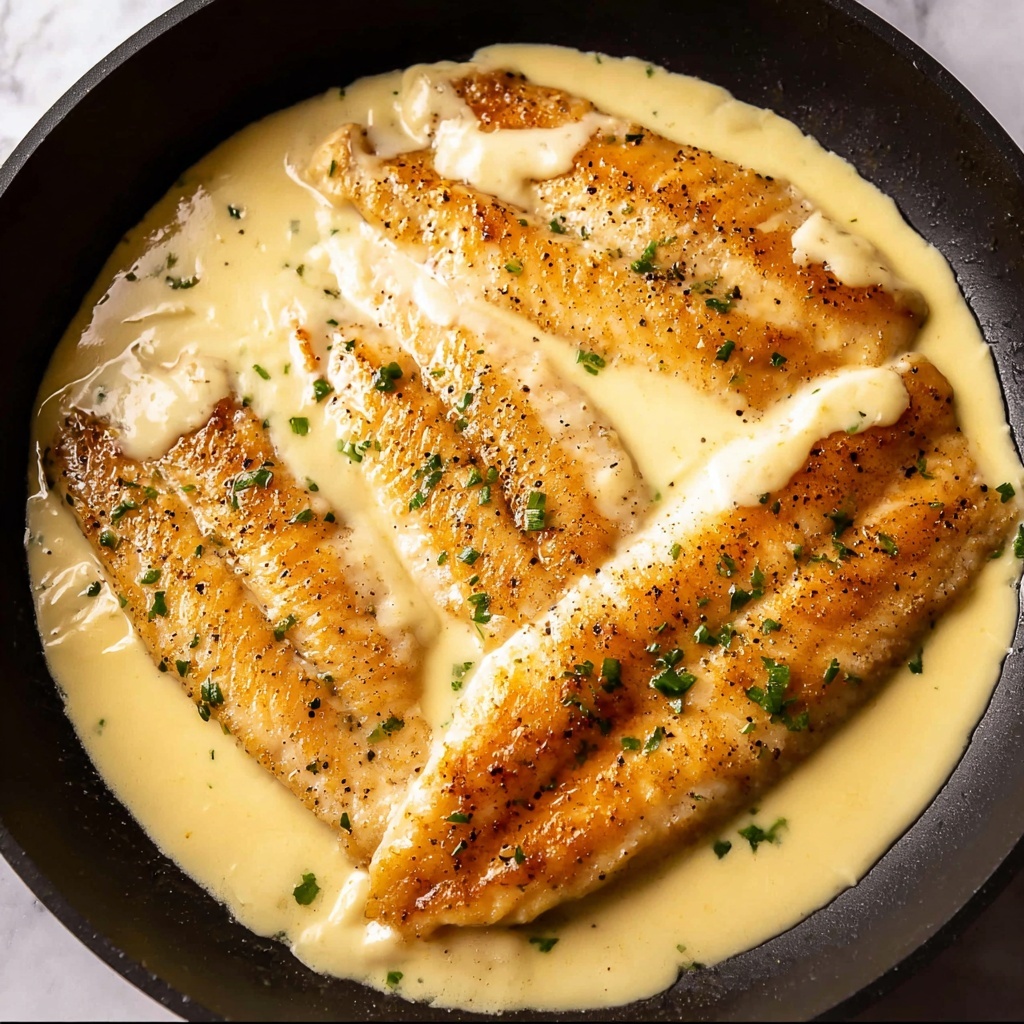
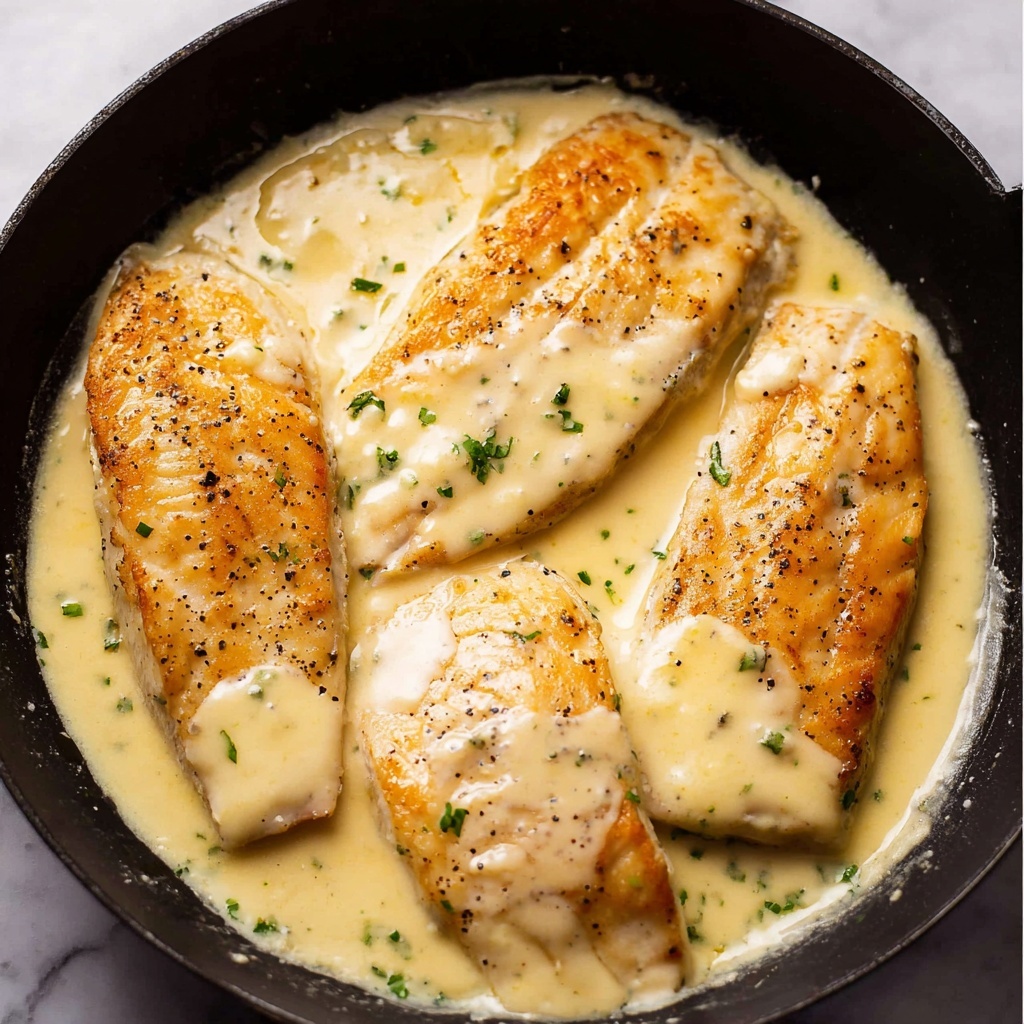
If you’ve ever wanted to create a dish that feels as elegant as dining at a fine restaurant but is simple enough for a weeknight dinner, this Fish with White Wine Sauce Recipe is exactly what you need. The tender white fish fillets gently cooked and topped with a luscious, creamy white wine sauce deliver a perfect harmony of flavors that is both comforting and sophisticated. Each bite bursts with delicate hints of lemon, fresh herbs, and a buttery finish that will have you savoring every mouthful and eager for seconds.
Ingredients You’ll Need
The beauty of this Fish with White Wine Sauce Recipe lies in its straightforward, pantry-friendly ingredients. Each one plays an essential role, whether it’s elevating the taste, adding depth to the sauce, or bringing color and freshness. From flaky white fish to the aromatic eschalot and the vibrant parsley, these ingredients come together seamlessly.
- 4 x 150g white fish fillets (skinless, boneless): Snapper is ideal for its gentle flavor and firm texture that holds up beautifully in the sauce.
- 1/2 tsp salt: Enhances the natural flavors of the fish without overpowering it.
- 1/4 tsp pepper: Adds a subtle warmth and balance to the seasoning.
- 2 tbsp extra virgin olive oil: Provides the perfect searing base for the fillets and contributes a fruity richness.
- 1 small eschalot, finely chopped (~1 1/2 tbsp): Delivers a mild onion flavor that mellows in the sauce, adding depth.
- 1 1/4 cups dry white wine: A chardonnay or similar ensures the sauce stays crisp and vibrant, never sweet or overpowering.
- 1 tsp lemon juice: Brightens the sauce with a fresh citrus zing; can be swapped for white wine vinegar.
- 1 tsp white wine vinegar: Lends a gentle tanginess, with the option to substitute extra lemon juice for balance.
- 1/8 tsp salt: Fine-tunes the flavor of the sauce for the perfect savory finish.
- Pinch of pepper: Adds just a hint of spice without stealing the spotlight.
- Pinch of white sugar: Rounds out acidity and enhances the sauce’s harmony.
- 1 cup thickened/heavy cream: Creates a luxuriously smooth sauce that clings to the fish beautifully.
- 30g unsalted butter, cold and cubed: Stirred in last to enrich the sauce and give it a glossy, velvety texture.
- 2 tsp finely chopped parsley or chives: Adds a pop of green freshness and mild herbal notes for garnish and flavor.
How to Make Fish with White Wine Sauce Recipe
Step 1: Prep and Season the Fish
Start by drying your fish fillets with paper towels, which helps them sear beautifully without steaming. Then sprinkle both sides evenly with salt and pepper. This simple seasoning step is crucial because it enhances the delicate flavor of the white fish without masking its natural sweetness.
Step 2: Sear the Fish
Heat the extra virgin olive oil in a large skillet over medium heat. Once hot, add the fish fillets carefully, cooking them for about 3 to 4 minutes on each side depending on thickness. You want a gentle golden crust to form while keeping the inside tender and moist. Once cooked, transfer the fillets to a warm plate and cover them loosely with foil to keep warm.
Step 3: Make the White Wine Sauce
In the same skillet, add the finely chopped eschalot and gently sauté until it softens and becomes fragrant, about 2 minutes. Pour in the dry white wine, scraping the bottom of the pan to lift any delicious browned bits left from the fish. Add the lemon juice, white wine vinegar, salt, pepper, and a pinch of white sugar. Let it simmer until reduced by half, concentrating the flavors and mellowing any sharpness.
Step 4: Finish the Sauce with Cream and Butter
Lower the heat and stir in the thickened cream, allowing the sauce to meld and thicken slightly. Remove the skillet from the stove and whisk in the cold butter cubes one at a time. The butter will melt into the sauce, creating a silky, glossy finish that clings perfectly to the fish.
Step 5: Plate and Garnish
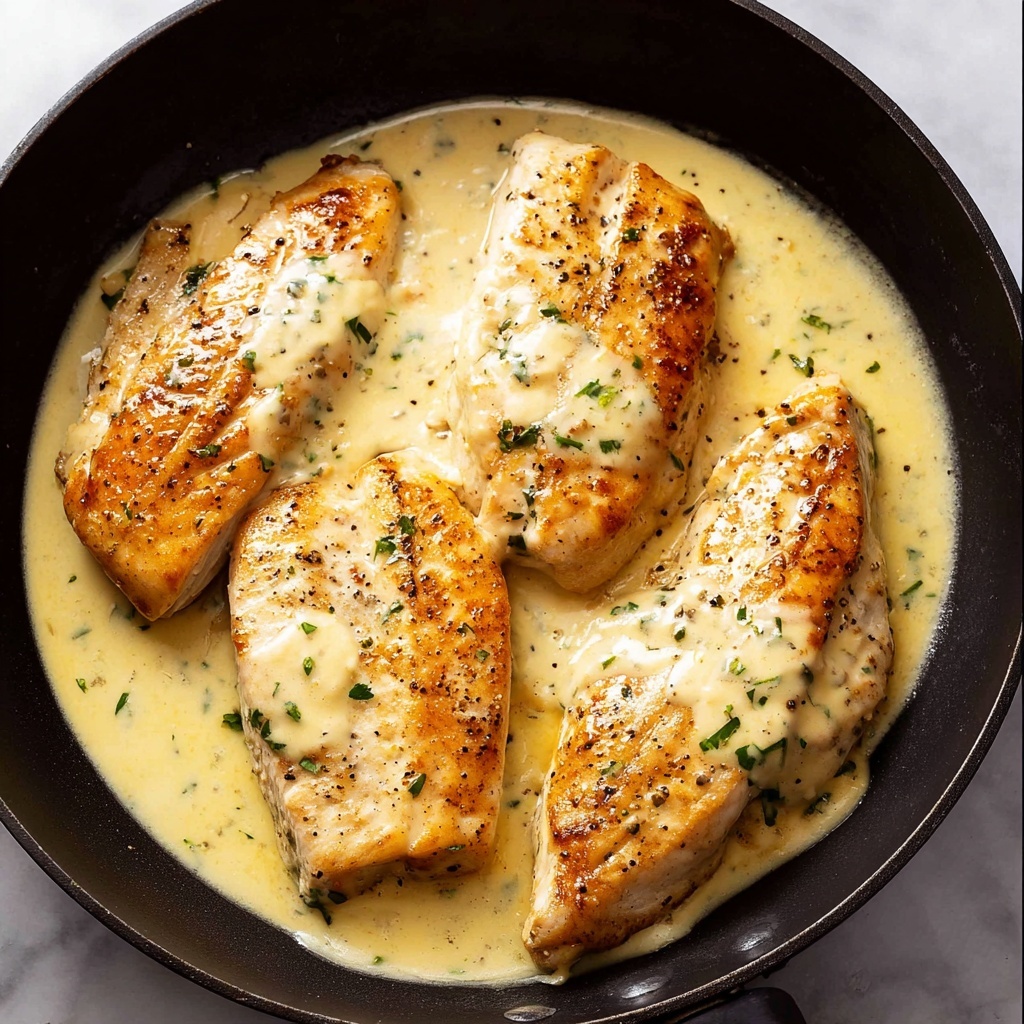
Place the fish fillets back into the skillet or spoon the sauce generously over them on the serving plates. Sprinkle the finely chopped parsley or chives on top for an inviting pop of color and fresh flavor.
How to Serve Fish with White Wine Sauce Recipe
Garnishes
A sprinkle of chopped fresh parsley or chives is classic, adding a burst of color and subtle herbal freshness. For a little extra flair, try a few thin twists of lemon zest or a light dusting of smoked paprika to introduce a hint of smoky aroma that pairs beautifully with the creamy sauce.
Side Dishes
This recipe truly shines alongside a variety of sides. Fluffy mashed potatoes or creamy polenta soak up the white wine sauce perfectly. Steamed asparagus, green beans, or a simple mixed leaf salad add crunch and freshness that complement the richness of the dish.
Creative Ways to Present
For a stunning presentation, serve the fish on warm white plates with a spoonful of sauce painted artistically around the fillet. Garnish with microgreens or edible flowers for an elegant restaurant-style touch. You can also layer the fish atop a bed of herbed rice or alongside vibrant roasted root vegetables to elevate the visual appeal and flavor profile.
Make Ahead and Storage
Storing Leftovers
Once cooled completely, store leftover fish and sauce in an airtight container in the refrigerator. The fish is best eaten within 1 to 2 days for optimal freshness and safety.
Freezing
Freezing fish with the delicate white wine sauce isn’t recommended because the cream can separate and the texture of the fish may become mushy upon thawing. It’s best to enjoy this dish fresh or store leftovers in the fridge only.
Reheating
To reheat, warm your fish gently in a skillet over low heat, spooning sauce over the top to keep the fillets moist. Avoid microwave reheating to preserve the texture and avoid breaking the sauce’s delicate emulsion.
FAQs
Can I use other types of fish for this recipe?
Absolutely! While snapper works beautifully, other firm white fish like cod, halibut, or sea bass can also be used. Just adjust cooking time slightly depending on thickness.
What if I don’t have eschalots? Can I substitute with onions?
Yes, finely chopped shallots impart a subtle sweetness but you can use a very small amount of mild onion as a substitute. Just sauté gently to avoid overpowering the sauce.
Is it necessary to use white wine, or can I omit it?
White wine adds the key acidity and depth to the sauce, but if you prefer not to use alcohol, substitute with low-sodium chicken or vegetable broth combined with a splash of lemon juice or white wine vinegar to maintain balance.
Can I prepare the white wine sauce ahead of time?
You can prepare the sauce a few hours ahead, but it’s best not to add the butter until just before serving to keep the sauce silky and smooth.
What wine pairs well with Fish with White Wine Sauce Recipe when served?
A crisp, dry white wine such as Sauvignon Blanc or Chardonnay pairs wonderfully, echoing the flavors in the sauce and keeping the meal vibrant and refreshing.
Final Thoughts
This Fish with White Wine Sauce Recipe is a true celebration of simple ingredients elevated to a dish that feels both comforting and refined. Whether you’re impressing guests or treating yourself to something special, it’s one of those recipes you’ll want to keep in your culinary repertoire forever. Give it a try, and I promise you’ll be delighted with every creamy, flavorful bite!
Print
Fish with White Wine Sauce Recipe
- Prep Time: 5 minutes
- Cook Time: 12 minutes
- Total Time: 17 minutes
- Yield: 4 servings
- Category: Main Course
- Method: Stovetop
- Cuisine: European
- Diet: Low Fat
Description
A delicate and flavorful fish dish featuring tender white fish fillets cooked with a luxurious white wine sauce, infused with eschalots, cream, and a hint of lemon. This elegant recipe is perfect for a quick yet impressive weeknight meal or special occasion dinner.
Ingredients
Fish
- 4 x 150g / 5oz white fish fillets, skinless and boneless (snapper recommended)
- 1/2 tsp salt
- 1/4 tsp pepper
- 2 tbsp extra virgin olive oil
White Wine Sauce
- 1 eschalot, small, finely chopped (~1 1/2 tbsp)
- 1 1/4 cups dry white wine (chardonnay recommended)
- 1 tsp lemon juice (can substitute with white wine vinegar)
- 1 tsp white wine vinegar (can substitute with more lemon juice)
- 1/8 tsp salt
- 1 pinch pepper
- 1 pinch white sugar
- 1 cup thickened/heavy cream
- 30g / 2 tbsp unsalted butter, cold and cut into 1cm / 1/3″ cubes
- 2 tsp finely chopped parsley or chives
Instructions
- Prepare the Fish: Pat the white fish fillets dry with paper towels. Season both sides evenly with 1/2 tsp salt and 1/4 tsp pepper to enhance the natural flavors.
- Sear the Fish: Heat 2 tablespoons of extra virgin olive oil in a large skillet over medium-high heat. Once the oil is hot, gently place the fish fillets in the skillet. Cook for about 3-4 minutes on each side until the fish is golden and opaque throughout. Remove the fish from the skillet and set aside on a warm plate.
- Sauté the Eschalot: In the same skillet, reduce the heat to medium. Add the finely chopped eschalot (~1 1/2 tablespoons) and cook gently for 2-3 minutes until softened and translucent, releasing its sweet aroma without browning.
- Add White Wine and Seasonings: Pour in 1 1/4 cups of dry white wine (such as chardonnay). Add 1 teaspoon lemon juice, 1 teaspoon white wine vinegar, 1/8 teaspoon salt, a pinch of pepper, and a pinch of white sugar. Stir to combine and bring the mixture to a simmer, allowing it to reduce by about half to concentrate the flavors, which typically takes 5-6 minutes.
- Incorporate Cream and Butter: Lower the heat to medium-low and stir in 1 cup of thickened/heavy cream. Slowly add 30g (2 tablespoons) of cold unsalted butter cubes, stirring continuously until the sauce becomes silky and slightly thickened.
- Finish the Sauce and Serve: Return the cooked fish fillets gently to the skillet to warm through in the sauce for 1-2 minutes, spooning the sauce over the fish to coat. Remove from heat, sprinkle with 2 teaspoons finely chopped parsley or chives for freshness, and serve immediately.
Notes
- Note 1: Snapper is recommended for its firm texture and mild flavor, but any firm white fish fillet such as cod or haddock can be used.
- Note 2: Finely chop the eschalot to ensure it melds well into the sauce without overpowering the dish.
- Note 3: Use a dry white wine like chardonnay to avoid overly sweet or woody flavors; a good balance is crucial for a harmonious sauce.
- For substitutions, lemon juice and white wine vinegar can be interchanged depending on availability and taste preferences.
- Be careful not to overcook the fish to keep it moist and tender.