“`html
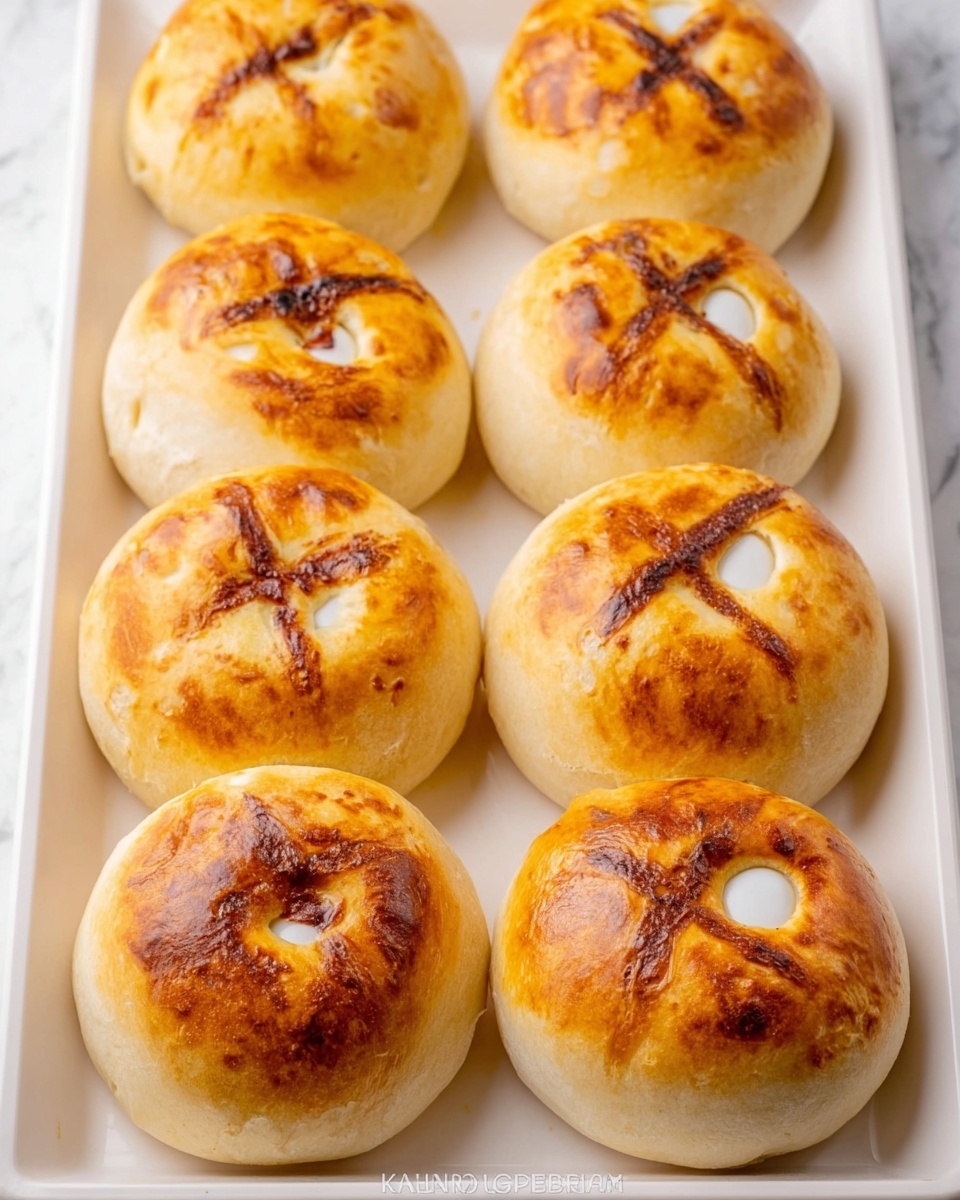
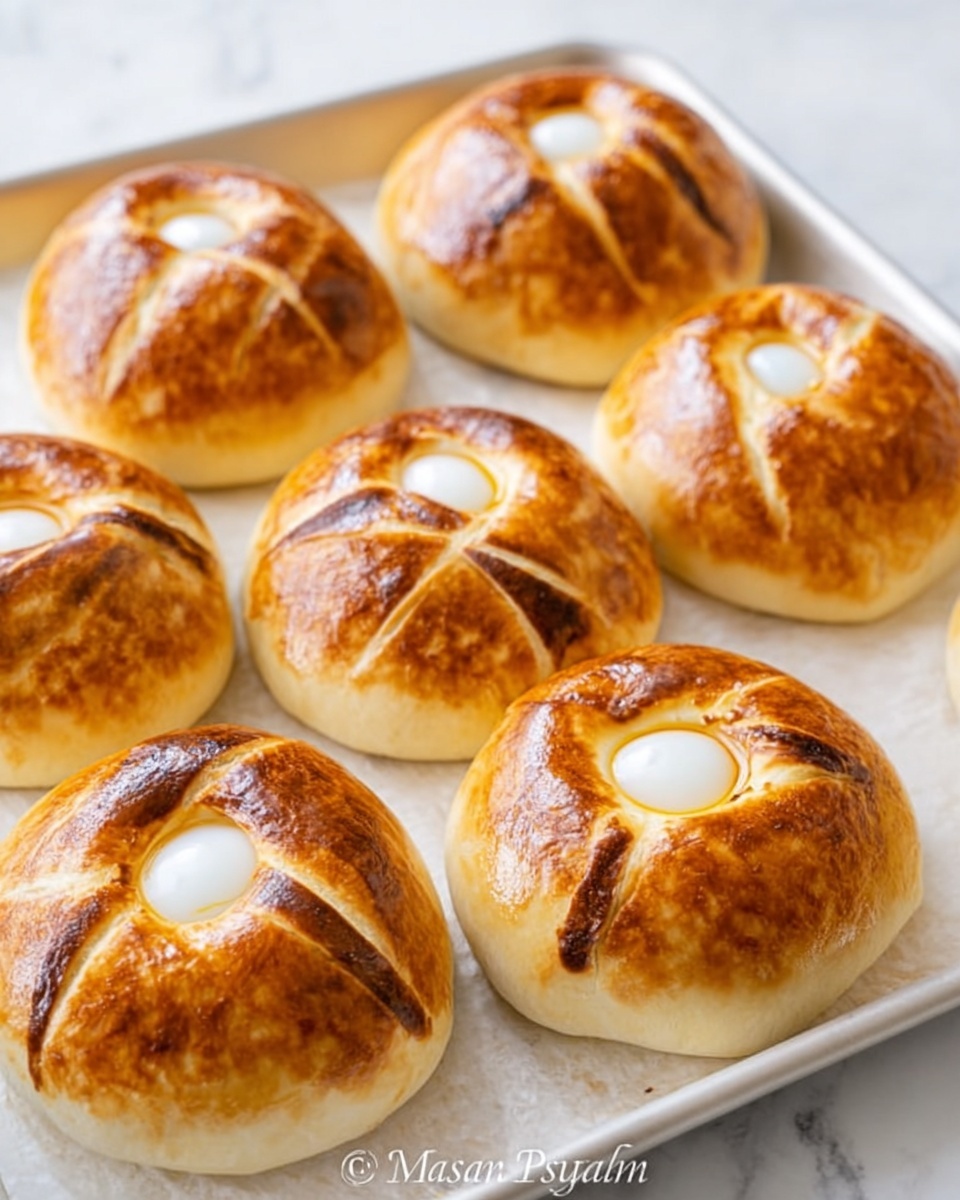
If you’re searching for a warm, comforting centerpiece that will brighten your table and delight your guests, this Easter Breads with Deviled Eggs Recipe is exactly what you need. Soft, fluffy, slightly sweet bread surrounds perfectly nestled eggs decorated with delicate dough crosses, making each bite a joyful celebration of tradition and flavor. These breads are much more than just a treat—they’re a feast for the eyes and a hug from the oven, crafted with love and a sprinkle of festive cheer.
Ingredients You’ll Need
These ingredients are beautifully simple yet essential to crafting that quintessential Easter bread experience. Each element plays a starring role: yeast for the perfect rise, butter for irresistible richness, eggs for structure and symbolism, and sugar for a gentle sweetness that carries it all. Together, they create the wonderful texture, taste, and color that will impress everyone at your table.
- 2 envelopes active dry yeast (about 1 1/2 Tbsp or 15 grams): The magic that makes your bread light and fluffy with a lovely rise.
- 1 1/2 cups very warm whole milk: Adds moisture and richness while feeding the yeast for proofing.
- 1 cup (200 grams) granulated sugar + 1 tsp (5 grams): Sweetens the dough just enough to balance the savory egg without overpowering.
- 1/2 cup (8 Tbsp) unsalted butter, softened: For richness and a tender crumb in every bite.
- 1 tsp (5 grams) salt: Enhances flavor and balances the sweetness perfectly.
- 3 large eggs, well beaten: Integral for structure, moisture, and that beautiful golden color.
- 7 cups (875 grams) unsifted all-purpose flour: The foundation of your dough, providing structure and chew.
- 12 large white eggs (room temperature, uncooked with shell on): The stunning focal point of each bun, symbolizing new life and tradition.
- 1 large egg + 1 tsp water (for egg wash): Gives your bread a gorgeous glossy finish and helps the dough crosses stick perfectly.
How to Make Easter Breads with Deviled Eggs Recipe
Step 1: Proof the Yeast
Start by warming up half a cup of milk until it’s just warm to the touch—about 30 seconds in the microwave will do. Stir in a teaspoon of sugar and sprinkle your yeast over the top. Let this mixture sit on the counter for roughly 10 minutes; you’ll know it’s ready when it becomes bubbly and fragrant. This step wakes up the yeast and ensures your dough rises beautifully.
Step 2: Combine the Wet Ingredients
In your stand mixer bowl, mix together 1 cup of warm milk, 1 cup of sugar, salt, and the softened butter. Stir until the butter mostly melts into a creamy mix. If your butter is stubborn, no worries! Just place the bowl over a warm water bath and keep stirring until it’s smooth and combined. This step creates a flavorful, tender base for your dough.
Step 3: Mix and Knead the Dough
Next, stir in the beaten eggs and then add the proofed yeast mixture. Using your dough hook attachment on low speed, gradually beat in all seven cups of flour—one cup at a time until you see a soft dough form. Once combined, knead the dough for 8 to 12 minutes. You want your dough to be smooth, elastic, and slightly sticky to the touch but not clinging to your dry fingers. This perfect balance makes the bread tender yet sturdy enough for shaping.
Step 4: First Rise
Transfer your dough to a large bowl that’s been buttered generously, then turn the dough around once to coat it lightly with butter. Cover with a tea towel and place somewhere warm and draft-free to double in size; placing it in a 100˚F oven works like a charm. This rise usually takes about 1 1/2 hours and is crucial for developing flavor and lift.
Step 5: Shape the Buns and Add the Eggs
After the dough has doubled, punch it down gently and turn it out onto a floured surface. Divide it into 14 pieces. Roll 12 of these pieces into round buns about three-quarters of an inch thick and arrange them spaced out on buttered baking sheets. Press the center of each bun with a tablespoon to create a hollow perfect for cradling one of the twelve large white eggs you have prepared.
Step 6: Make the Signature Crosses
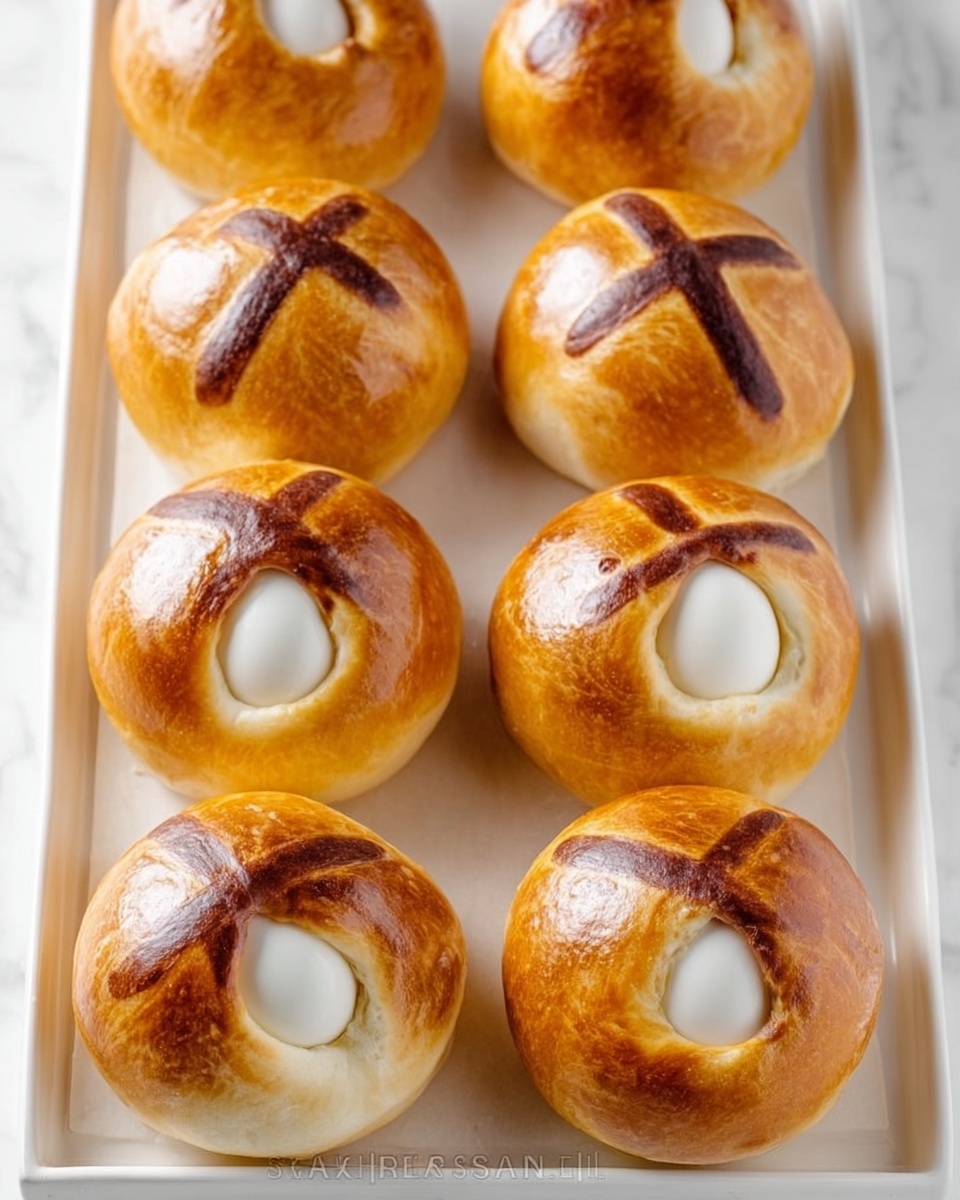
With the remaining dough, form two long, thin rolls around 13 inches each. Cut these into thin strips about 6 inches long. Lay two strips over each egg in a cross shape, gently tucking the tails beneath the bun. This traditional motif not only looks beautiful but adds subtle texture and charm to your Easter breads with deviled eggs recipe.
Step 7: Egg Wash and Bake
Just before your breads go into the oven, whisk together one large egg and a teaspoon of water. Generously brush the buns, being careful to avoid splattering this wash over the crosses, ensuring they stay distinct and fair-looking. Bake at 375˚F in the center rack for about 18 to 20 minutes until the bread is golden and the eggs are fully cooked. Watching the bread turn golden while the aroma fills your kitchen is pure magic.
How to Serve Easter Breads with Deviled Eggs Recipe
Garnishes
While these breads are stunning on their own, adding a sprinkle of freshly chopped herbs like parsley or chives around the serving platter can brighten the presentation and hint at the savory deviled eggs you’ll serve alongside. A dusting of flaky sea salt after baking adds a sophisticated crunch if you like a little contrast in texture.
Side Dishes
These Easter breads pair exquisitely with light, fresh sides such as a crisp spring salad tossed with vinaigrette or roasted seasonal vegetables. They also shine alongside creamy deviled eggs, which is exactly the pairing this Easter Breads with Deviled Eggs Recipe was meant for, creating a harmonious balance on your festive table.
Creative Ways to Present
For an unforgettable centerpiece, arrange the buns in a circular pattern on a large wooden board or platter. Place little bowls of dips like herbed cream cheese or mustard alongside for dipping bread torn from around the eggs. You can even color the eggs before baking to add vibrant pops of pastel shades that celebrate the season in style.
Make Ahead and Storage
Storing Leftovers
Once cooled completely, these breads keep well when wrapped tightly in plastic wrap or stored in an airtight container at room temperature. They stay fresh for up to two days, perfect for sharing the joy of Easter a little longer or enjoying leftovers with your morning coffee.
Freezing
If you want to prepare ahead, this Easter Breads with Deviled Eggs Recipe freezes beautifully. Wrap each bun individually in plastic wrap and then place them into a freezer-safe bag. They can be frozen for up to three months. When you’re ready, thaw overnight in the refrigerator for best results.
Reheating
To bring your breads back to that fresh-out-of-the-oven warmth and aroma, reheat them in a 325˚F oven for 10–12 minutes. This gentle heat refreshes the bread’s tender crumb and soft egg while preserving the delicious glaze on the crust.
FAQs
Can I use brown eggs instead of white eggs for this recipe?
Absolutely! Brown eggs will work just as well for baking and enjoying the bread. The choice between brown or white eggs typically comes down to personal preference or availability and won’t affect the texture or taste.
Is there a way to make this recipe gluten-free?
While this recipe relies on traditional all-purpose flour for structure, you could experiment with a gluten-free flour blend designed for yeast breads. Keep in mind the texture and rise may differ, so it’s best to follow a gluten-free adaptation for yeast bread recipes.
Can I substitute milk with a dairy-free alternative?
Yes, you can use oat milk or almond milk as a substitute for whole milk, especially if warmed properly to activate the yeast. Just be sure to choose an unsweetened, unflavored variety to keep the balance of flavors intact.
How do I know when the yeast is properly proofed?
When you sprinkle the yeast over the warm milk and sugar, it should start bubbling and foam up within about 10 minutes. If nothing happens, the yeast may be old or your milk too hot or cold, so try again with fresh yeast and correctly warmed milk.
What’s the best way to serve leftover Easter bread?
Leftover Easter bread can be enjoyed sliced with butter or your favorite jam, transformed into French toast, or used to make a savory bread pudding. It’s versatile enough to shine in breakfast, brunch, or even as a snack throughout the day.
Final Thoughts
There’s something truly special about making Easter Breads with Deviled Eggs Recipe from scratch—it’s a tradition that brings family and friends together, filling your home with warmth, laughter, and mouthwatering flavor. Whether you’re new to baking or a seasoned pro, I promise this recipe will become a beloved part of your Easter celebrations. So roll up your sleeves, get that dough working, and enjoy every moment of creating this festive masterpiece.
“`
Print
Easter Breads with Deviled Eggs Recipe
- Prep Time: 120 minutes
- Cook Time: 20 minutes
- Total Time: 140 minutes
- Yield: 12 buns
- Category: Bread
- Method: Baking
- Cuisine: Eastern European
Description
Traditional Easter Breads featuring soft, slightly sweet yeast buns topped with hard-boiled eggs cradled in a cross of dough strips, baked to golden perfection. These festive breads are perfect for celebrating Easter with a rich, tender crumb and beautiful presentation.
Ingredients
Yeast Mixture
- 2 envelopes (1 1/2 Tbsp or 15 grams) active dry yeast (Red Star brand recommended)
- 1/2 cup very warm milk (heated 30 seconds)
- 1 tsp (5 grams) granulated sugar
Dough
- 1 1/2 cups very warm milk (heated 1 minute)
- 1 cup (200 grams) granulated sugar + 1 tsp (5 grams)
- 1/2 cup (8 Tbsp) unsalted butter, softened
- 1 tsp (5 grams) salt
- 3 large eggs, well beaten
- 7 cups (875 grams) unsifted, all-purpose flour, measured correctly
Topping and Assembly
- 12 large white eggs, room temperature, uncooked with shell-on
- 1 large egg
- 1 tsp water
Instructions
- Activate the yeast: Pour 1/2 cup warm milk into a small bowl. Add 1 tsp sugar and sprinkle yeast over the surface. Stir gently and let it sit for 10 minutes until bubbly and frothy, indicating active yeast.
- Prepare the dough base: In a stand mixer bowl, combine 1 cup very warm milk with 1 cup sugar, 1 tsp salt, and softened butter. Stir until most butter melts. If needed, warm the bowl over a water bath to help melt the butter.
- Add eggs and flour: Stir in the 3 beaten eggs followed by the proofed yeast mixture. Using a dough hook, gradually beat in 7 cups flour one cup at a time until a soft dough forms. Knead for 8-12 minutes until dough is smooth, elastic, slightly sticky to touch, but doesn’t stick to dry fingers.
- First proof: Transfer dough to a large buttered bowl, turning to coat all sides with butter. Cover with a tea towel and proof in a warm, draft-free spot, ideally in a 100˚F oven for 1 1/2 hours, until doubled in size. Then punch down the dough.
- Shape buns and place eggs: Turn dough onto a lightly floured surface and divide into 14 pieces. Form 12 round buns approximately 3/4 inch thick and space them out on two large buttered baking sheets or a single large sheet. Press the center of each bun with a tablespoon to make a hollow and gently nest one raw egg (with shell) into each hollow.
- Make dough crosses: Shape the remaining two pieces of dough into long thin rolls about 13 inches long. Cut each roll into 12 very thin strips about 6 inches in length. Form a cross with two of these strips over each egg, tucking the ends under the bun to secure.
- Apply egg wash and bake: Just before baking, beat one large egg with 1 tsp water. Generously brush this egg wash over the buns, carefully brushing the dough crosses to avoid splatter. Bake in the center of a preheated 375˚F oven for 18-20 minutes, until the buns are golden and eggs are fully cooked through.
Notes
- Make sure the milk is warm but not hot to not kill the yeast.
- Measuring flour correctly (by spooning into the cup and leveling) ensures dough consistency and prevents toughness.
- Proof dough in a warm place for best rise; a slightly warm oven works great.
- Use fresh eggs at room temperature to prevent cracking during baking.
- For softer buns, brush egg wash gently to avoid drying the dough crosses.
- Baking time may vary slightly depending on oven; watch for golden color and firm eggs.