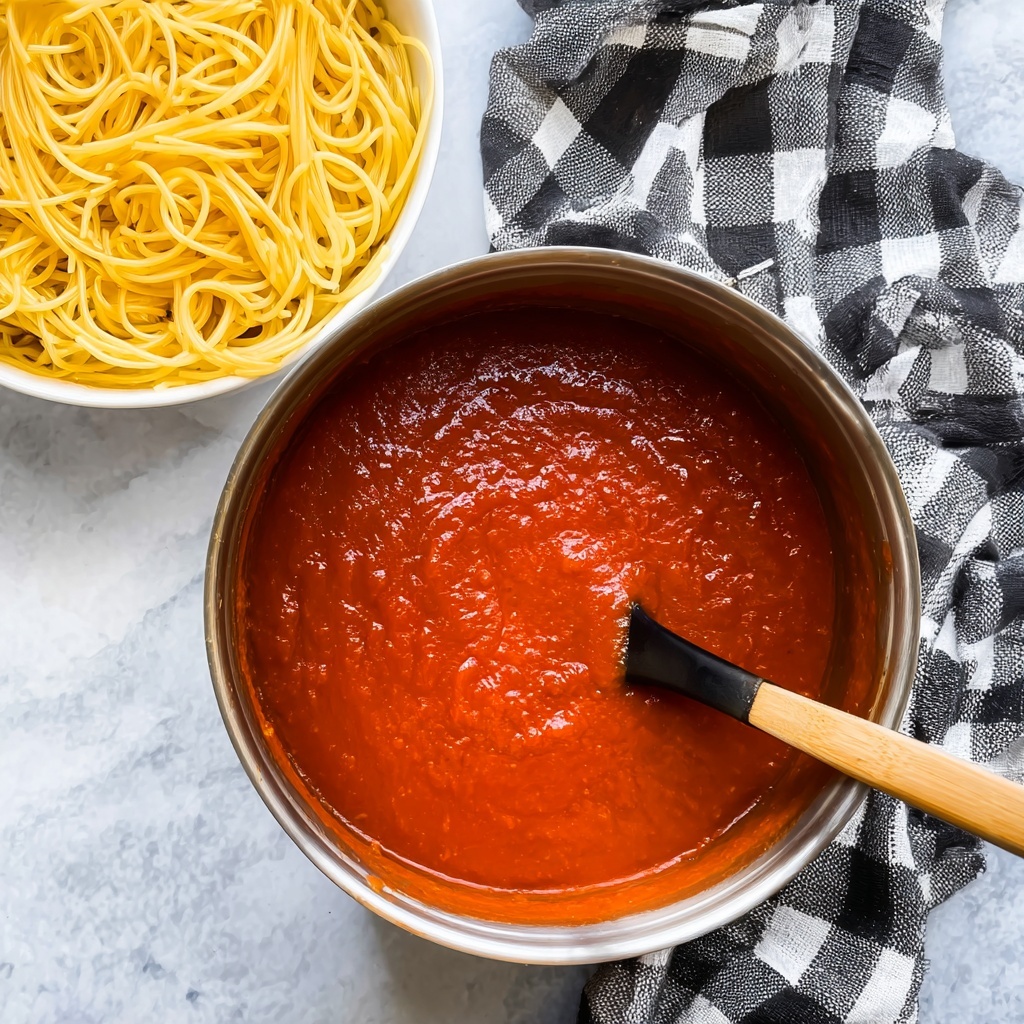
If you have ever dreamed of capturing the vibrant, rich flavors of Italy right in your own kitchen, look no further than the Best Homemade Tomato Sauce Recipe. This sauce offers a perfect harmony of fresh San Marzano tomatoes, softly sautéed onions, and fragrant basil, all simmered slowly to develop a luscious depth of flavor that simply elevates any dish. Whether you’re stirring it into pasta, layering it on a pizza, or using it as a base for a hearty stew, this recipe brings warmth and comfort with every spoonful. It’s a genuinely satisfying sauce that transforms the everyday into something extraordinary.
Ingredients You’ll Need
These ingredients are simple yet essential, each playing a crucial role in creating the texture, aroma, and classic taste that make this tomato sauce truly special. By balancing freshness, richness, and a gentle bit of heat, every element contributes to a perfectly rounded sauce.
- Olive oil: This adds a fruity, silky base that helps soften the onions and garlic while imparting subtle Mediterranean notes.
- Unsalted butter: Used in two stages, butter enriches the sauce, making it velvety and smooth without overpowering the tomato’s brightness.
- Medium yellow onion: Diced finely, the onion melts down during cooking to add natural sweetness and body to the sauce.
- Garlic cloves: Minced garlic infuses its aromatic punch early for that unmistakable savory depth.
- Certified San Marzano whole peeled tomatoes: The hero ingredient; their natural sweetness and low acidity are the foundation of this sauce’s exceptional flavor.
- Bay leaf: Adds subtle herbal earthiness that rounds out the tomato’s acidity.
- Fresh basil leaves: Introduces a sweet, peppery fragrance that brightens the entire sauce.
- Kosher salt: Enhances all the natural flavors, ensuring the sauce isn’t flat.
- Ground black pepper: Adds a gentle warmth and slight bite without overwhelming the sauce.
- Crushed red pepper flakes: Just a pinch for a teasing hint of heat to balance the sweetness.
How to Make Best Homemade Tomato Sauce Recipe
Step 1: Sauté the Aromatics
Begin by heating olive oil and a tablespoon of butter in a large saucepan over medium-low heat. Add the diced onions and gently cook, stirring often, until they become tender and translucent, about 5 minutes. This slow cooking draws out their natural sweetness. Next, toss in the minced garlic and let it cook for just 30 seconds more—too long and garlic can turn bitter, so be mindful to catch it at the perfect fragrant moment.
Step 2: Prepare and Add Tomatoes
While your aromatics are softening, prepare your San Marzano tomatoes. Remove the tough stem ends and crush the tomatoes thoroughly with a potato masher to release their juices and pulp. Then, pour everything—the crushed tomatoes and their liquid—into the saucepan with the onions and garlic. This fresh tomato base is what will turn into the luscious sauce you’re aiming for.
Step 3: Season and Enrich
It’s time to add your bay leaf, fresh basil sprigs, the remaining butter, salt, black pepper, and crushed red pepper flakes. Stir everything together so the butter melts into the sauce, enriching it while the herbs infuse delightful fragrance and subtle complexity. These additions build the layers of flavor that make this the Best Homemade Tomato Sauce Recipe.
Step 4: Simmer to Perfection
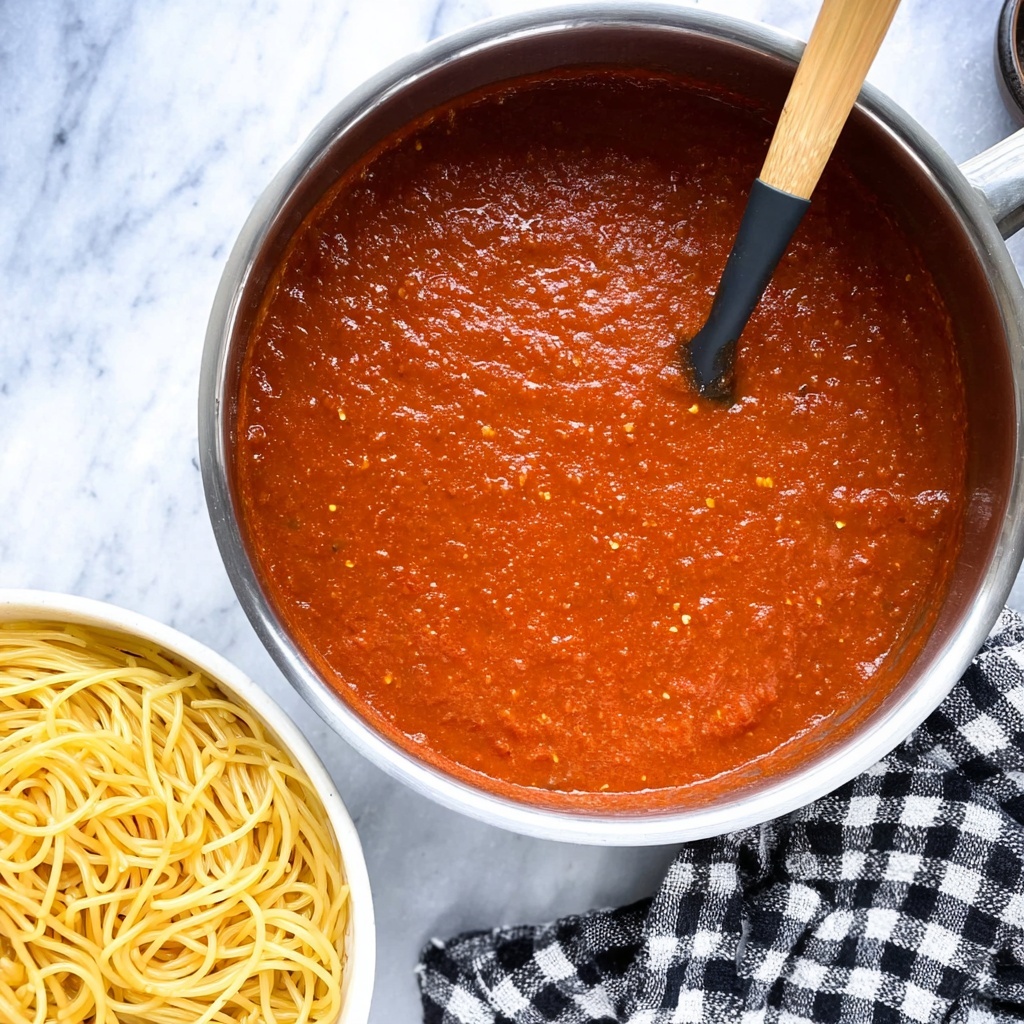
Bring your sauce gently to a simmer and then reduce the heat to low. Let it cook slowly, uncovered, for about 45 minutes until thickened and beautifully concentrated in flavor. This slow simmer lets the ingredients blend harmoniously and the sauce develop its signature rich texture. Remember to discard the bay leaf and basil stems before serving. If you prefer a smooth sauce, a quick whirl with a stick or stand blender will do the trick.
How to Serve Best Homemade Tomato Sauce Recipe
Garnishes
A scattering of freshly torn basil leaves and a sprinkle of freshly grated Parmesan or Pecorino Romano cheese make beautiful and tasty finishing touches. A drizzle of high-quality extra virgin olive oil just before serving adds a glossy sheen and an extra layer of richness that your guests will adore.
Side Dishes
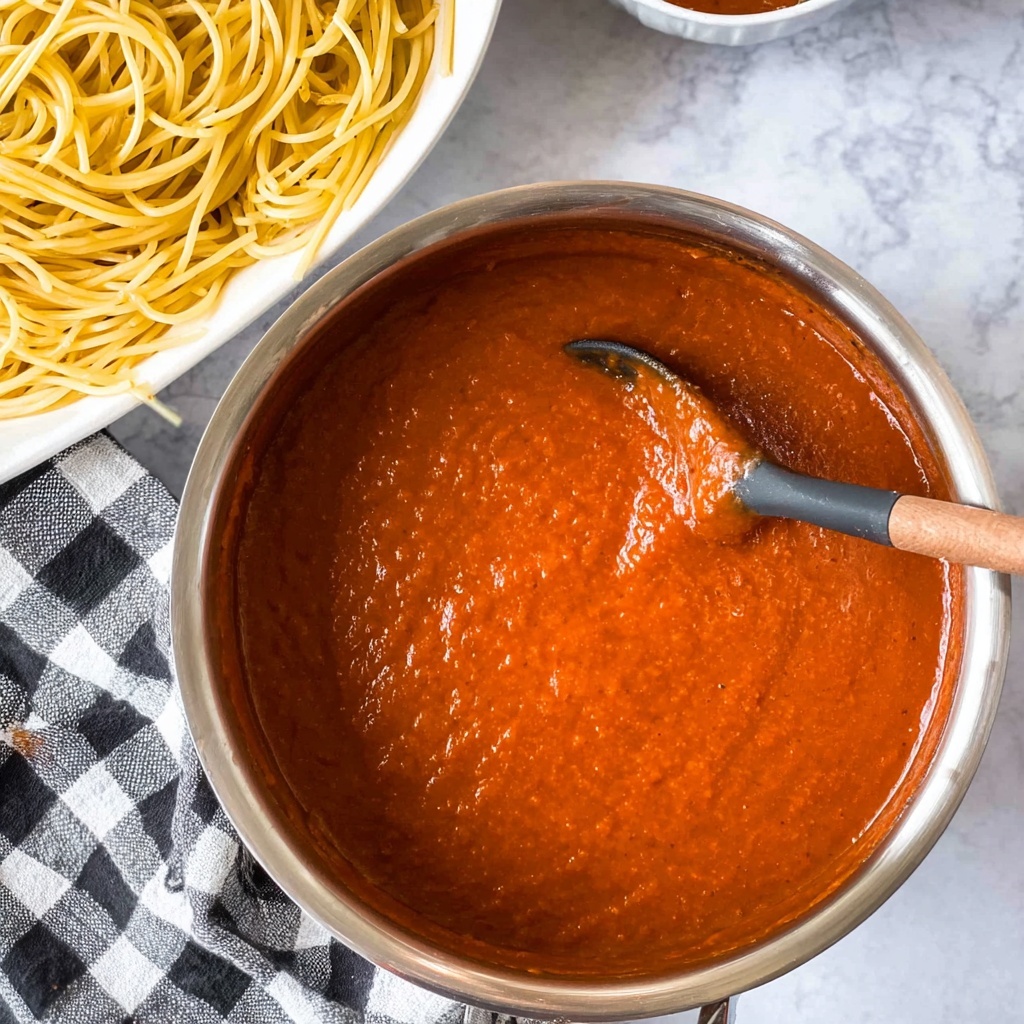
This sauce pairs wonderfully with simple spaghetti or your favorite pasta shape, turning an everyday meal into an occasion. It also works as a savory topping for grilled chicken, baked eggplant, or even a rustic polenta. Don’t hesitate to serve it alongside a crusty loaf of garlic bread to sop up every last drop.
Creative Ways to Present
Transform the Best Homemade Tomato Sauce Recipe into more than just a pasta companion by using it as a base for homemade pizza or a dipping sauce for crispy meatballs. Layer it in lasagna or mix it into a comforting baked ziti for a crowd-pleasing family dinner. The possibilities are endlessly delicious!
Make Ahead and Storage
Storing Leftovers
Once cooled, transfer your leftover tomato sauce to an airtight container. Refrigerate for up to 5 days. The flavors actually deepen over time, so leftovers are often tastier the next day—perfect for quick weekday meals.
Freezing
This sauce freezes beautifully. Portion it into freezer-safe containers or bags, making it easy to thaw just the right amount you need later. It will keep well in the freezer for up to 3 months without losing flavor or quality.
Reheating
To reheat, gently warm the sauce in a saucepan over low heat, stirring occasionally to prevent sticking. If the sauce has thickened too much, add a splash of water or broth to bring it back to your desired consistency.
FAQs
Can I use fresh tomatoes instead of canned San Marzano?
While fresh tomatoes can be used, canned San Marzano tomatoes are preferred for their consistent sweetness and low acidity, which are key to achieving the balanced flavor of this sauce. If using fresh, be sure to select ripe, meaty tomatoes and prepare them thoroughly.
Is it necessary to add butter to tomato sauce?
Butter is not traditionally used in all tomato sauces, but in this recipe, it adds richness and a silky mouthfeel that balances the acidity of the tomatoes. It makes the sauce smoother and more luxurious.
Can I omit the red pepper flakes if I don’t want any heat?
Absolutely! The red pepper flakes only add a subtle hint of warmth, so feel free to leave them out if you prefer a milder sauce. The flavor will still be delicious and well-rounded.
Should I peel the tomatoes before adding them to the sauce?
Using whole peeled San Marzano tomatoes means the skins have already been removed for you, which helps produce a smoother sauce without any tough bits. If using fresh tomatoes, peeling is recommended for texture.
How thick should the sauce be when it’s done?
The sauce should be thick enough to coat the back of a spoon, rich and concentrated without being gummy. The slow simmer reduces excess liquid and develops that perfect consistency.
Final Thoughts
There’s something truly special about crafting your own sauce from scratch, especially when it’s as rewarding as this Best Homemade Tomato Sauce Recipe. It’s simple enough for a weeknight dinner but impressive enough for guests, and it fills your kitchen with the irresistible aroma of Italy. Give it a try—you’ll find yourself coming back to this recipe again and again as a cornerstone of your home cooking.
Print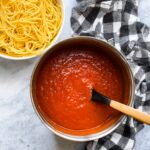
Best Homemade Tomato Sauce Recipe
- Prep Time: 10 minutes
- Cook Time: 60 minutes
- Total Time: 70 minutes
- Yield: 6 to 6.5 servings
- Category: Sauce
- Method: Stovetop
- Cuisine: Italian
- Diet: Gluten Free
Description
This Best Homemade Tomato Sauce Recipe is a rich, flavorful classic made from simmered San Marzano tomatoes, fresh basil, and a perfect blend of seasonings. It’s a versatile sauce ideal for pasta, pizza, or any Italian dish, offering a perfectly balanced savory and slightly spicy taste.
Ingredients
Vegetables & Herbs
- 1 medium yellow onion, diced
- 2 cloves garlic, minced
- 1 bay leaf
- 2 sprigs fresh basil leaves
Pantry & Staples
- 1 tablespoon olive oil
- 6 tablespoons unsalted butter (divided)
- 56 ounces Certified San Marzano whole peeled tomatoes (2 (28-ounce) cans)
- ¾ teaspoon kosher salt
- ¼ teaspoon ground black pepper
- 2 pinches crushed red pepper flakes
Instructions
- Sauté Onions and Garlic: Place the olive oil, 1 tablespoon of butter, and diced onions in a large saucepan over medium-low heat. Cook, stirring often, until onions become tender and translucent, about 5 minutes. Add the minced garlic and cook for an additional 30 seconds, releasing its aroma without burning.
- Prepare and Add Tomatoes: While the onions cook, remove the tough stem ends from each tomato. Crush the whole peeled tomatoes using a potato masher to release their juices and break them up evenly. Pour the crushed tomatoes and juices into the pan with the onion and garlic mixture.
- Season the Sauce: Add the bay leaf, fresh basil sprigs, the remaining 5 tablespoons of butter, kosher salt, ground black pepper, and crushed red pepper flakes to the pan. Stir thoroughly to combine all ingredients evenly, ensuring a well-seasoned base.
- Simmer the Sauce: Bring the mixture to a gentle simmer, then reduce the heat to low. Let the sauce cook uncovered for about 45 minutes, stirring occasionally, until it thickens to a rich consistency. Discard the bay leaf and basil stems once the cooking is complete. For a smoother texture, optionally puree the sauce using a stick blender or transfer to a stand blender.
Notes
- Using San Marzano tomatoes enhances the sauce’s authenticity and sweetness.
- Adjust crushed red pepper flakes to your preferred level of heat.
- Pureeing the sauce is optional and depends on whether you prefer a chunky or smooth texture.
- Butter adds richness and balances acidity; do not skip if possible.
- Store leftovers in an airtight container in the refrigerator for up to 5 days or freeze for up to 3 months.