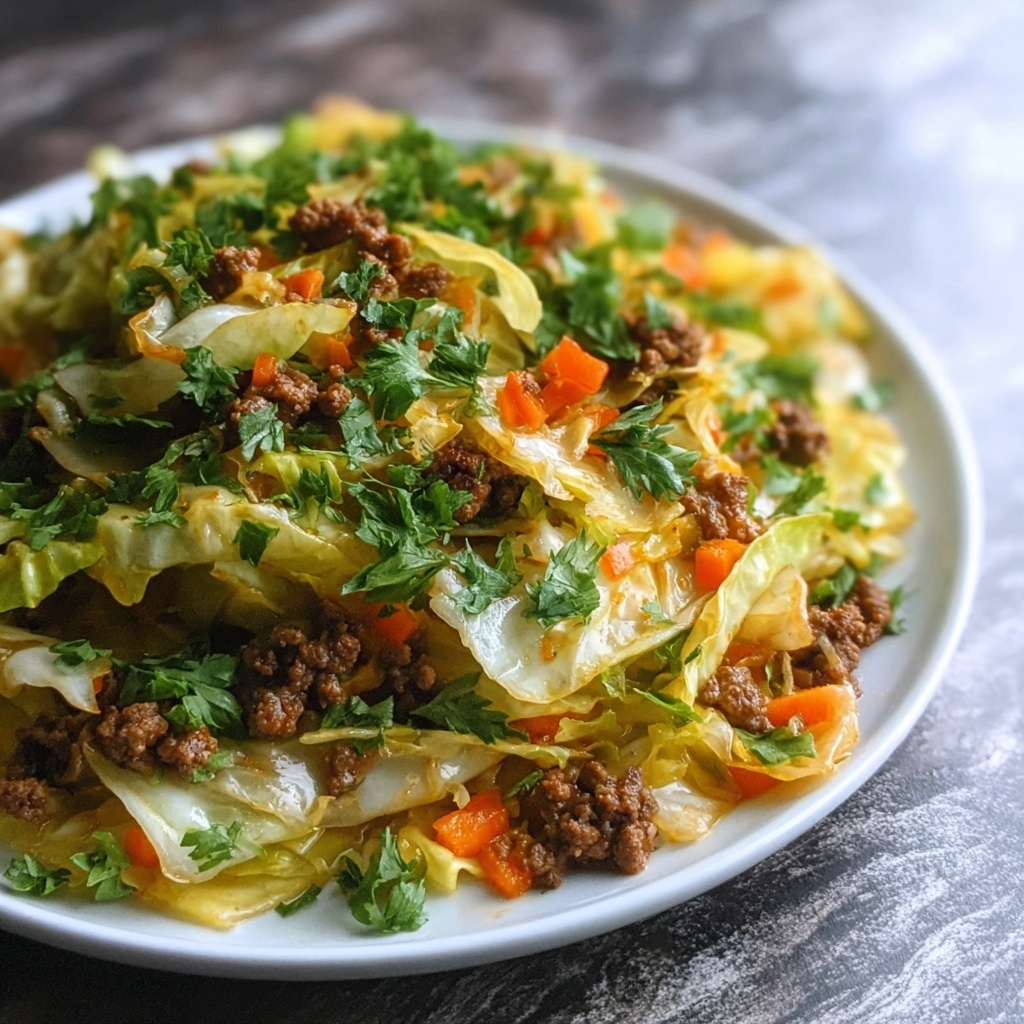
If you are searching for a hearty, wholesome, and incredibly satisfying meal, look no further than this Paleo Cabbage Skillet Recipe. It masterfully combines crisp cabbage, savory ground meat, and a symphony of warming spices to create a dish that comforts and nourishes in equal measure. Perfect for busy weeknights or a cozy weekend dinner, this recipe offers a deliciously simple way to enjoy a nutrient-packed, grain-free meal that everyone will love. It’s packed with flavor, color, and texture, making it a must-have in your paleo recipe collection.
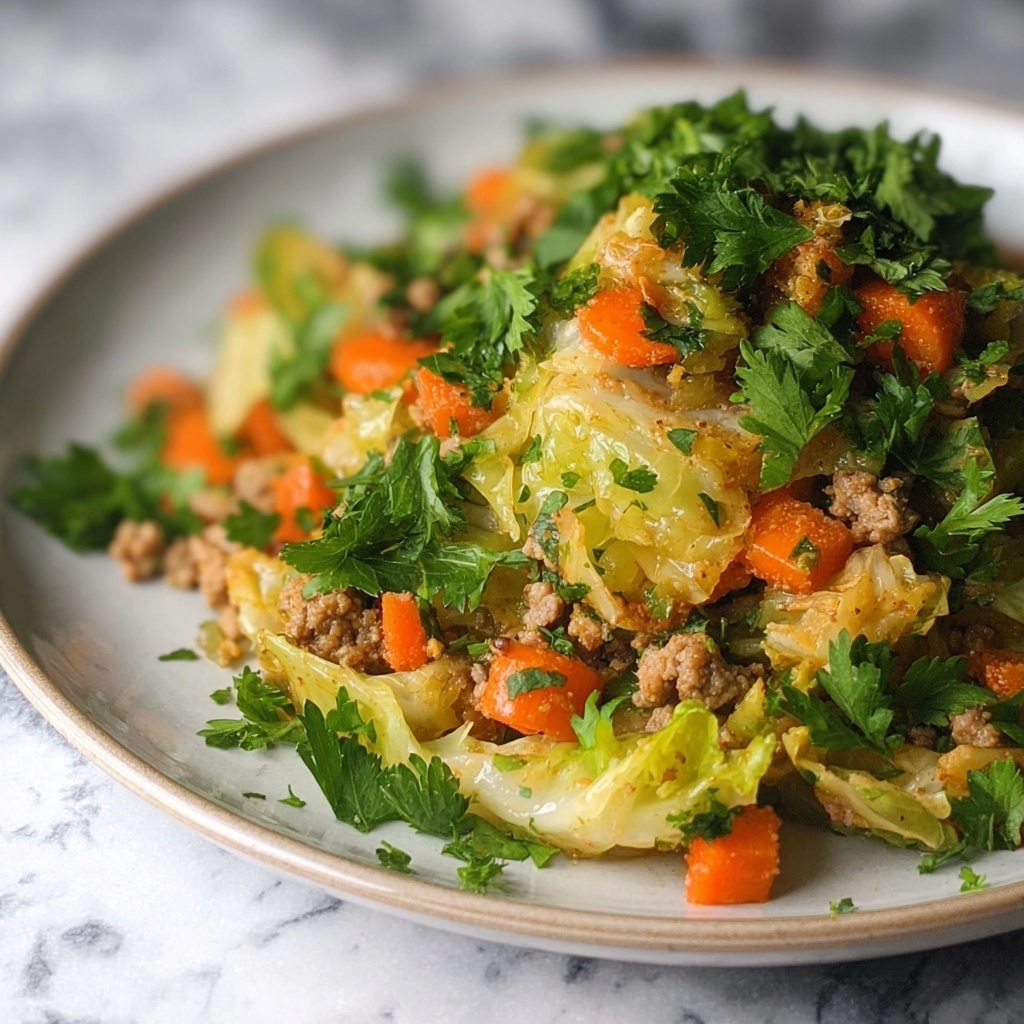
Ingredients You’ll Need
The beauty of this recipe lies in its straightforward, wholesome ingredients. Each element is carefully selected to deliver a perfect balance of taste, texture, and vibrant color, ensuring every bite is a delight.
- 1 small head of green cabbage, chopped: Adds a crisp, slightly sweet base that wilts perfectly when cooked.
- 1 pound ground beef (or ground turkey): Provides hearty protein and rich flavor; turkey is a lighter alternative.
- 1 medium onion, diced: Offers sweetness and depth to the flavor profile.
- 3 cloves garlic, minced: Infuses the dish with savory, aromatic warmth.
- 2 tablespoons olive oil (or coconut oil): Acts as a healthy fat to sauté ingredients and enhance richness.
- 1 teaspoon paprika: Brings a mild smoky undertone that complements the meat beautifully.
- 1 teaspoon cumin: Adds earthy, nutty warmth to deepen the dish’s flavor.
- 1/2 teaspoon salt: Balances all the flavors perfectly.
- 1/2 teaspoon black pepper: Provides a subtle heat that enlivens the palate.
- 1/2 teaspoon crushed red pepper flakes (optional): For those who love a bit of spice kick.
- 1 cup diced tomatoes (canned or fresh): Adds moisture with a gentle tang and brightness.
- Fresh parsley, chopped: A fresh, herbal garnish to finish the dish beautifully.
How to Make Paleo Cabbage Skillet Recipe
Step 1: Sauté the Onions
Begin by heating the olive oil in a large skillet over medium heat. Once the oil is shimmering, add the diced onions. Cook them for about 3 to 4 minutes until they become translucent and tender. This process unlocks their natural sweetness, creating a flavorful foundation for the entire dish.
Step 2: Add Garlic
Next, stir in the minced garlic and sauté for an additional 30 seconds. Be careful not to let the garlic brown too much; its delicate aroma will infuse the oil and deepen the recipe’s savory notes.
Step 3: Brown the Ground Meat
Now, add the ground beef or turkey to the skillet. Break it apart with your spatula as it cooks so it browns evenly. Continue cooking for about 5 to 7 minutes until the meat is cooked through and beautifully browned, which locks in those rich, meaty flavors.
Step 4: Drain Excess Fat
After the meat is fully cooked, check if there’s any excess fat in the skillet and carefully drain it off. This ensures your dish remains healthy while keeping the flavors concentrated.
Step 5: Add the Cabbage
Gently stir in the chopped cabbage. Let it cook down for about 5 minutes until it begins to wilt. This step softens the cabbage just enough to meld beautifully with the meat and spices without losing its pleasant texture.
Step 6: Season the Mixture
Sprinkle in the paprika, cumin, salt, black pepper, and the crushed red pepper flakes if you are using them. Mix everything thoroughly so the spices coat every component, creating that signature robust flavor that defines this Paleo Cabbage Skillet Recipe.
Step 7: Add Tomatoes and Simmer
Pour in the diced tomatoes and stir to combine. Allow the skillet contents to simmer gently for another 5 to 10 minutes, stirring occasionally. This helps the cabbage absorb the tomato’s brightness while softening further for an irresistible blend of flavors.
Step 8: Taste and Adjust Seasoning
Always taste your creation before serving. This is your chance to add a little more salt or pepper if needed. With such simple ingredients, seasoning really brings the dish to life, so don’t be shy about fine-tuning the flavors.
Step 9: Garnish and Serve
Finally, remove the skillet from heat and sprinkle freshly chopped parsley on top. This fresh herb adds a delightful pop of color and a slightly peppery brightness that elevates the whole dish.
How to Serve Paleo Cabbage Skillet Recipe
Garnishes
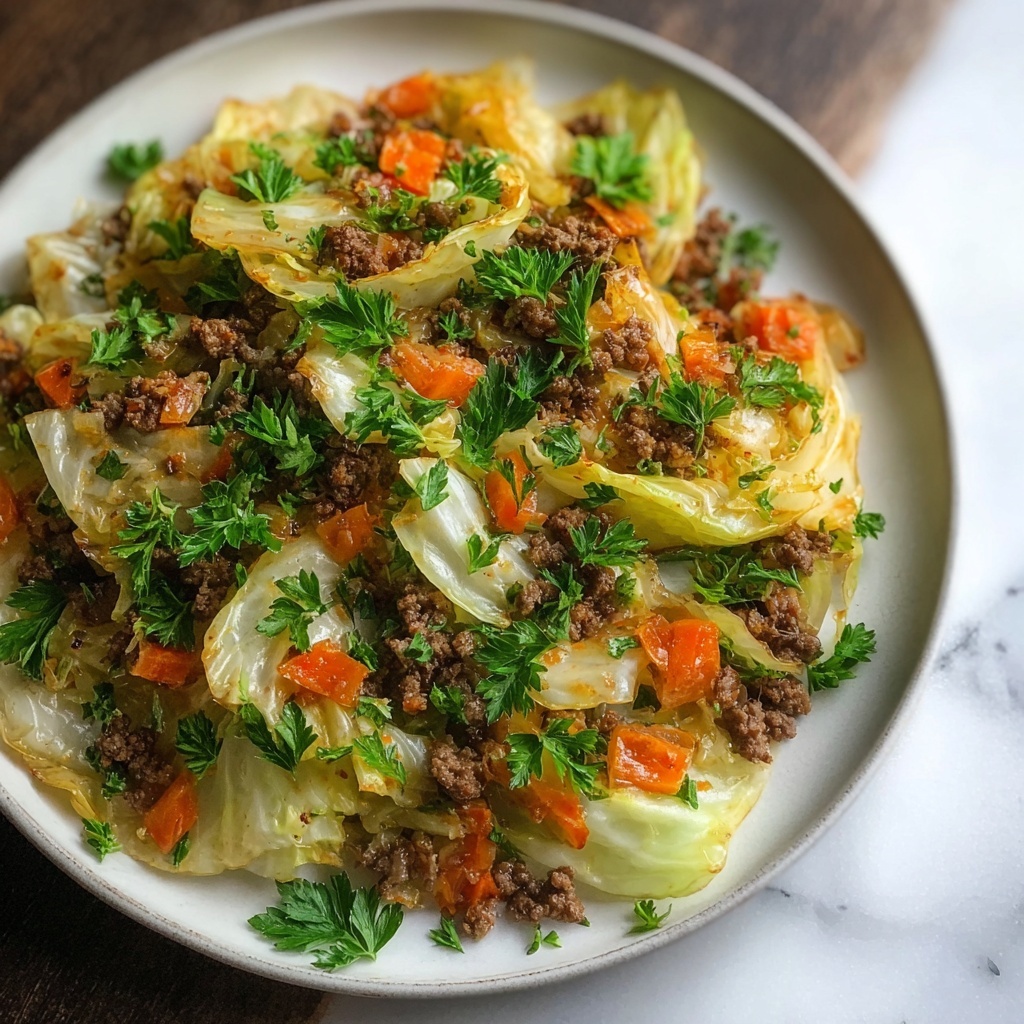
Garnishing with freshly chopped parsley or even a squeeze of lemon juice can brighten every bite. You could also add avocado slices for creamy texture or sprinkle toasted nuts for crunch. These little touches make serving this Paleo Cabbage Skillet Recipe even more special.
Side Dishes
This skillet recipe is satisfying enough to stand alone, but it pairs wonderfully with simple sides like roasted sweet potatoes or a crisp green salad. Cauliflower rice is another fantastic paleo-friendly option that complements the flavors without overwhelming them.
Creative Ways to Present
If you want to dress this dish up for guests or family, consider serving it in individual cast-iron skillets for rustic charm. Alternatively, scoop the skillet mixture over a bed of sweet potato mash or stuff it into large lettuce leaves for a fun, hands-on meal experience.
Make Ahead and Storage
Storing Leftovers
Leftover Paleo Cabbage Skillet Recipe keeps beautifully in an airtight container in the refrigerator for up to 3 days. This makes it a great option for meal prep or quick lunches during a busy week.
Freezing
If you want to keep this dish longer, freeze it in a freezer-safe container for up to 2 months. Be sure to cool it completely before freezing to maintain the best flavor and texture when reheated.
Reheating
To reheat, warm the skillet on low heat with a splash of water or broth to restore moisture. Stir occasionally until heated through. This method helps keep the cabbage tender and prevents the meat from drying out, preserving the delicious qualities of your Paleo Cabbage Skillet Recipe.
FAQs
Can I use other types of meat in the Paleo Cabbage Skillet Recipe?
Absolutely! Ground chicken, pork, or even lamb can work wonderfully. Just make sure to adjust cooking times as needed and watch for fat content, which may affect the final flavor.
Is this recipe suitable for a Whole30 diet?
Yes, this recipe fits perfectly within Whole30 guidelines as long as you choose compliant ingredients like fresh tomatoes and approved oils. It’s a flavorful way to stick to your diet without missing out on taste.
Can I add other vegetables to this skillet?
Definitely. Feel free to toss in bell peppers, carrots, or even zucchini to add more variety and nutrition. Just add them in appropriate steps depending on their cooking times to maintain good texture.
How spicy is the Paleo Cabbage Skillet Recipe?
The recipe has a mild warmth from the paprika and black pepper. You can control the heat by adding or skipping the crushed red pepper flakes. It’s easy to customize depending on your spice preference.
What can I do to make the dish more colorful?
Adding vibrant veggies like red bell peppers, chopped carrots, or a handful of baby spinach leaves near the end of cooking brightens the dish visually and nutritionally. Garnishes like fresh herbs and a touch of lemon juice also enhance presentation.
Final Thoughts
This Paleo Cabbage Skillet Recipe is one of those treasured meals that feels like a warm hug on a plate — comforting, easy, and packed with flavor. Whether you’re cooking for your family or meal prepping for the week ahead, this dish promises to satisfy and inspire. Give it a try; your taste buds and your body will thank you!
Print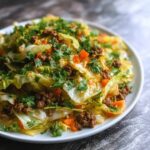
Paleo Cabbage Skillet Recipe
- Prep Time: 0h 10m
- Cook Time: 0h 25m
- Total Time: 0h 35m
- Yield: 4 servings
- Category: Main Dish
- Method: Stovetop
- Cuisine: Paleo, American
- Diet: Low Carb
Description
This Paleo Cabbage Skillet is a hearty and flavorful one-pan meal featuring ground beef and tender cabbage simmered with aromatic spices and diced tomatoes. Perfect for a low-carb, grain-free diet, it combines simple ingredients for a nutritious and satisfying dish that’s quick to prepare and cook.
Ingredients
Vegetables
- 1 small head of green cabbage, chopped
- 1 medium onion, diced
- 3 cloves garlic, minced
- 1 cup diced tomatoes (canned or fresh)
- Fresh parsley, chopped (for garnish)
Meat
- 1 pound ground beef (or ground turkey for a lighter option)
Spices & Oils
- 2 tablespoons olive oil (or coconut oil)
- 1 teaspoon paprika
- 1 teaspoon cumin
- 1/2 teaspoon salt
- 1/2 teaspoon black pepper
- 1/2 teaspoon crushed red pepper flakes (optional for heat)
Instructions
- Heat the oil: Start by heating the olive oil in a large skillet over medium heat to prepare for sautéing the vegetables and meat.
- Sauté onions: Add the diced onion to the skillet and cook for 3-4 minutes until they become translucent and soften, which develops the base flavor.
- Add garlic: Stir in the minced garlic and cook for 30 seconds more until fragrant, being careful not to burn it.
- Cook the ground meat: Add the ground beef or turkey to the skillet, breaking it apart with a spatula. Cook until browned and no longer pink, about 5-7 minutes.
- Drain excess fat: If necessary, carefully drain any excess fat from the skillet to reduce greasiness.
- Add cabbage: Stir in the chopped cabbage and cook for about 5 minutes until it begins to wilt and soften.
- Season the dish: Sprinkle in paprika, cumin, salt, black pepper, and crushed red pepper flakes (if using). Mix thoroughly to evenly distribute the spices.
- Add tomatoes and simmer: Pour in the diced tomatoes and stir to combine. Let the mixture simmer for 5-10 minutes, stirring occasionally, until the cabbage is tender and flavors meld together.
- Adjust seasoning: Taste the dish and add more salt or pepper if needed to balance the flavors.
- Garnish and serve: Remove the skillet from heat and sprinkle freshly chopped parsley on top as a bright finishing touch before serving.
Notes
- You can substitute ground turkey for beef for a leaner version.
- Use coconut oil instead of olive oil for a more paleo-friendly fat option.
- Adjust crushed red pepper flakes based on your desired spice level.
- Leftovers can be refrigerated for up to 3 days and reheated on the stovetop.
- For added flavor, consider adding a splash of apple cider vinegar at the end of cooking.