
“`html
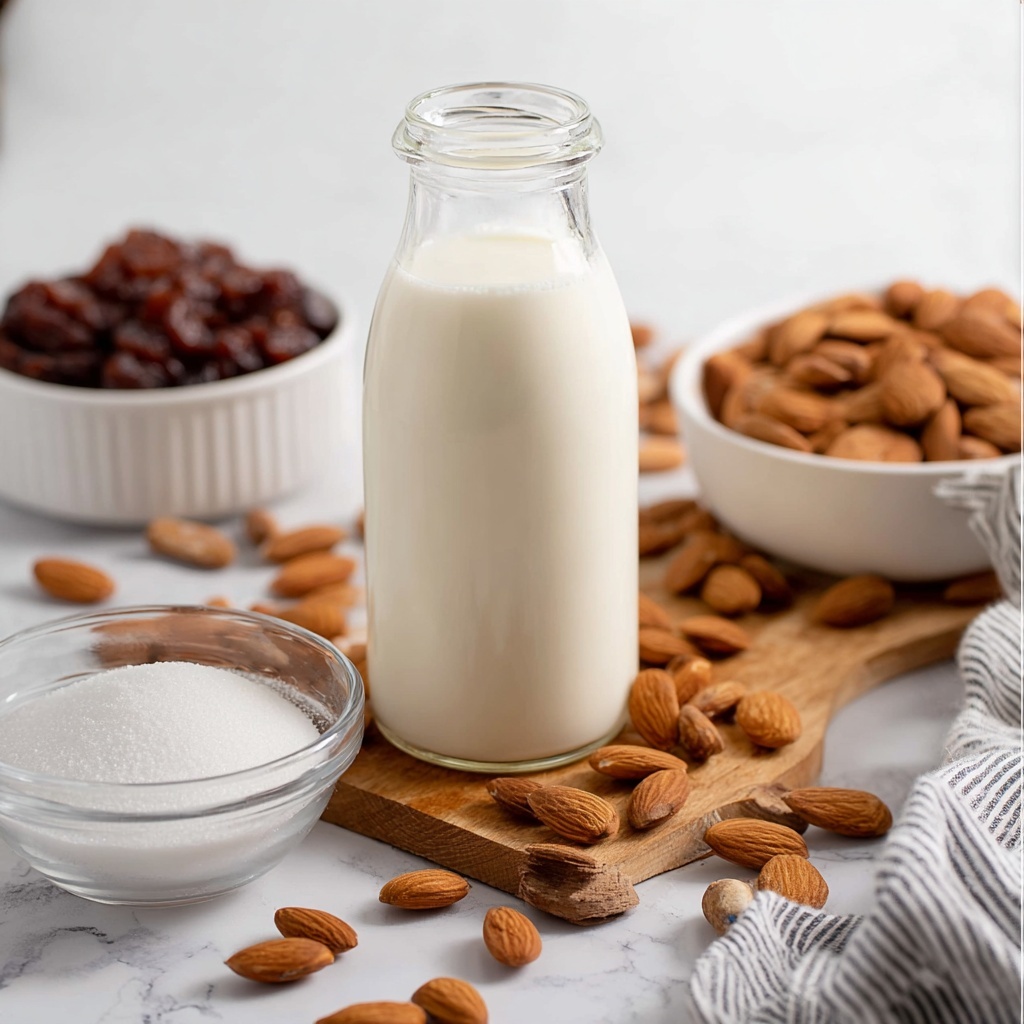
If you have ever been curious about crafting a delicious, nourishing milk alternative right in your own kitchen, this Homemade Almond Milk Recipe is exactly what you need. It’s creamy, subtly nutty, and free from any unnecessary additives—making it an incredibly wholesome and satisfying option. Whether you’re vegan, lactose-intolerant, or simply seeking a fresh twist to your daily beverages, this recipe brings the perfect blend of simplicity and flavor that will have you reaching for it again and again.
Ingredients You’ll Need
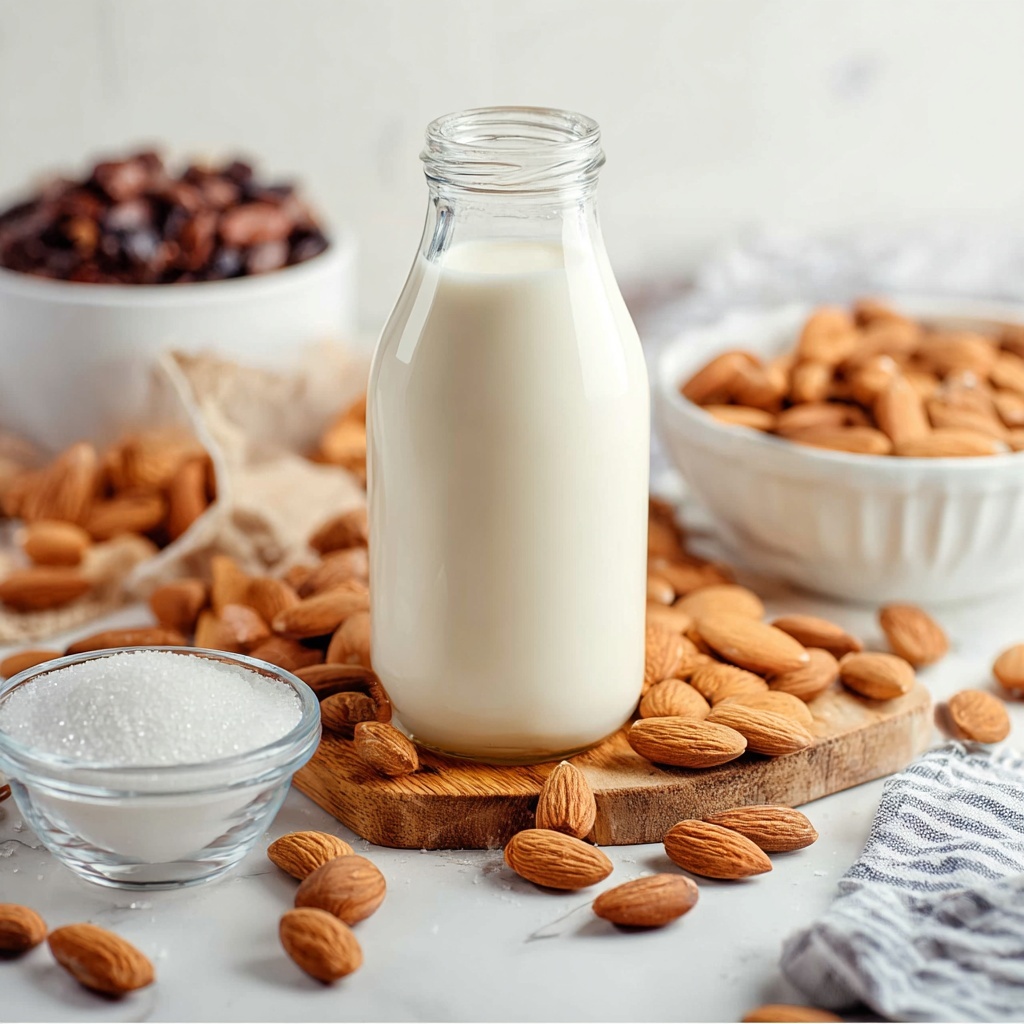
With just a handful of simple ingredients, this recipe captures the essence of freshness and purity. Each element plays a crucial role in creating that smooth, comforting texture and gentle nutty undertone you’ll love.
- Raw Almonds: The star of the show, soaked overnight to soften and release their natural creaminess.
- Water: Used both for soaking and blending, it ensures the perfect consistency for your milk.
- Salt: Just a pinch to subtly enhance the flavors and deepen the nutty notes.
- Optional Dates: For a touch of natural sweetness without any refined sugar.
- Vanilla Extract: An optional but lovely addition to give your almond milk a gentle, aromatic warmth.
How to Make Homemade Almond Milk Recipe
Step 1: Soak the Almonds
Begin by placing one cup of raw almonds in a bowl and covering them generously with about one and a half cups of water. Let them soak overnight to soften the nuts, which helps unlock their flavors and makes blending a breeze. If you have time, soaking them for a couple of days will give you an even creamier result.
Step 2: Rinse the Almonds
After soaking, drain off the water and give the almonds a good rinse under cool running water. This step is important to remove any residue and makes your milk taste fresh and clean without any bitterness.
Step 3: Blend Until Smooth
Transfer the soaked almonds to your blender along with four cups of fresh water, a quarter teaspoon of salt, and if you like, a few dates for a hint of natural sweetness. Blend on medium to high speed for about one and a half to two minutes, until the mixture looks creamy and silky.
Step 4: Strain the Mixture
Now, pour the blended almond mixture through a fine mesh strainer lined with a doubled piece of cheesecloth resting over a bowl. Gently shake and press the mixture to extract every drop of that luscious almond milk. Feel free to repeat this step for a smoother texture if desired. The leftover pulp can be saved for baking or smoothies, so don’t toss it!
Step 5: Add the Finishing Touches
Once strained, stir in a little vanilla extract if that’s your style—it adds a beautiful fragrant note that makes this milk feel extra special. This final step transforms simple almond and water into a velvety treat.
Step 6: Store Your Almond Milk
Pour your freshly made almond milk into a sealed jar or container and refrigerate. It will keep wonderfully fresh for up to four days. Always give it a good shake before pouring, as natural separation happens and this keeps the flavors blended evenly.
How to Serve Homemade Almond Milk Recipe
Garnishes
Sprinkle a dusting of cinnamon or nutmeg atop a glass for a cozy, warming touch. Fresh mint leaves can also bring a subtle brightness if you prefer something refreshing.
Side Dishes
Enjoy your almond milk alongside hearty granola, warm oatmeal, or your favorite vegan baked goods. It’s a perfect companion whether for breakfast or as a wholesome afternoon pick-me-up.
Creative Ways to Present
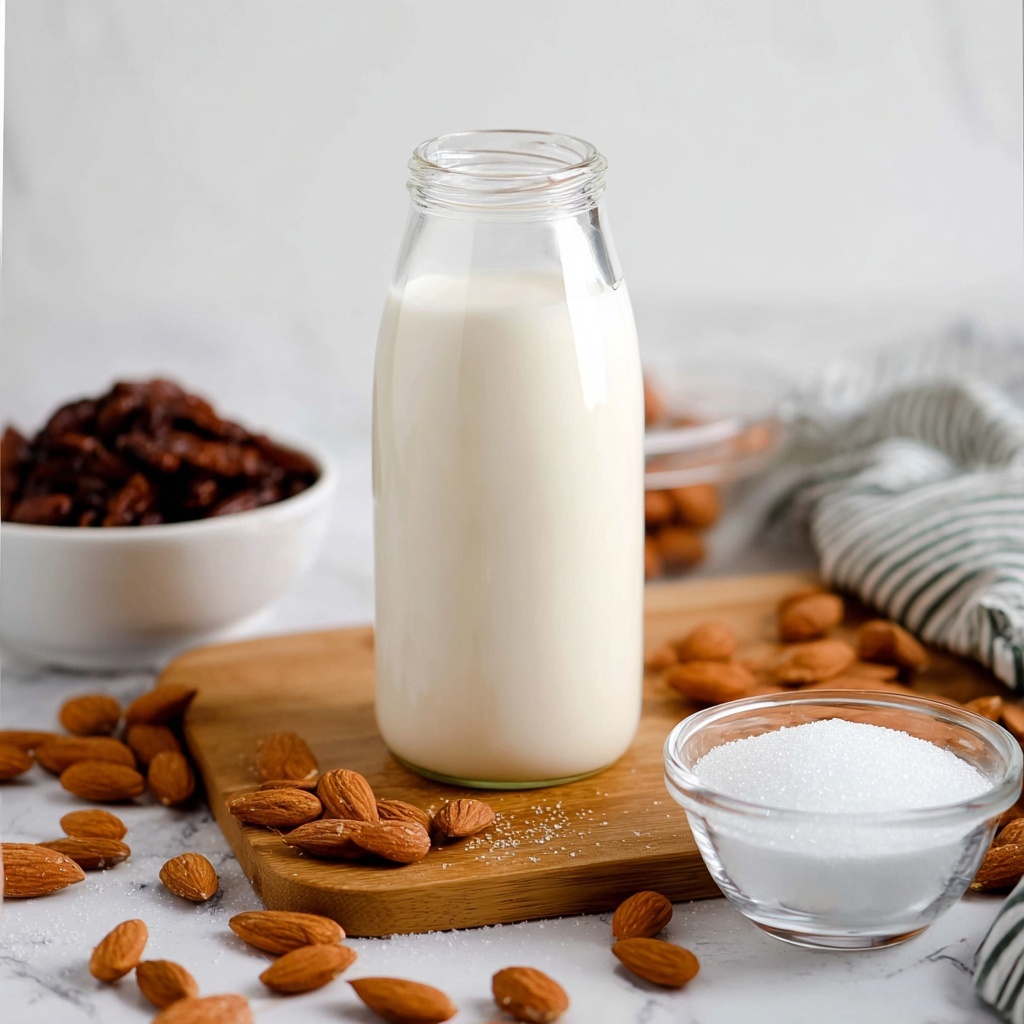
Serve your almond milk chilled in a frosted glass with a straw for a summer delight or pour it warm into a mug alongside spiced tea or coffee for a comforting, dairy-free latte experience. You can even use it as a base for creamy smoothies or homemade hot chocolate to elevate your everyday drinks.
Make Ahead and Storage
Storing Leftovers
Your homemade almond milk keeps best when refrigerated in a tightly sealed container. Because there are no preservatives, aim to use it within four days to enjoy peak freshness and flavor.
Freezing
While freezing homemade almond milk is possible, it may separate upon thawing and alter the texture. If you choose to freeze it, store in airtight ice cube trays and thaw gently overnight in the fridge before shaking well.
Reheating
If you prefer warm almond milk, reheat gently on the stove or in the microwave. Avoid boiling to prevent curdling and always stir well before serving to keep that luscious texture.
FAQs
Can I use roasted almonds instead of raw?
It’s best to stick with raw almonds for this recipe because roasting changes the flavor and texture, and may result in a less creamy milk.
Do I have to soak the almonds overnight?
Soaking softens the almonds and helps release nutrients, but if you’re short on time, even a few hours of soaking will make blending easier and yield better flavor.
Is it necessary to strain the almond milk through cheesecloth?
Straining is key to achieving smooth, silky almond milk without gritty bits. Using cheesecloth or a nut milk bag ensures the best texture, but a fine mesh sieve can work if that’s what you have.
What can I do with the leftover almond pulp?
Don’t throw it away! Leftover pulp is great in smoothies, baked goods, or even dried and used as almond flour substitute for added nutrition and flavor.
How long will homemade almond milk stay fresh?
Stored properly in the refrigerator, this almond milk stays fresh for about four days. Always check for any off smells or changes before using.
Final Thoughts
This Homemade Almond Milk Recipe is a wonderful way to bring freshness and nutrition right into your glass. It’s so rewarding to make from scratch and customize however you like—whether silky smooth, a little sweetened, or infused with vanilla. Give it a try and watch how your almond milk elevates your everyday meals and drinks with its rich, comforting flavor.
“`
Print
Homemade Almond Milk Recipe
- Prep Time: 10 minutes
- Cook Time: 0 minutes
- Total Time: Overnight soaking + 10 minutes prep
- Yield: 4.4 cups
- Category: Beverages
- Method: Blending
- Cuisine: Vegan
- Diet: Vegan
Description
This Homemade Almond Milk recipe is a simple and natural way to enjoy fresh, creamy almond milk made from raw almonds soaked overnight and blended with water. Perfect for a dairy-free alternative, it can be easily customized with added flavors like vanilla or dates for sweetness.
Ingredients
Almond Milk Ingredients
- 1 cup Raw Almonds
- 6 ½ cups Water (divided)
- ¼ teaspoon Salt
- Optional: Dates and Vanilla extract for flavor
Instructions
- Soak the Almonds: Place the almonds in a bowl and cover them with about 1 ½ cups of water. Let them soak overnight or preferably for a couple of days for best results, which softens the almonds and makes them easier to blend.
- Drain and Rinse: Drain the soaking water from the almonds and rinse them thoroughly under cool running water to clean them.
- Blend the Mixture: In a blender, combine the soaked almonds, 4 cups of fresh water, ¼ teaspoon salt, and dates if using. Blend on medium to high speed for 1.5 to 2 minutes until smooth and creamy.
- Strain the Almond Milk: Place a fine mesh strainer over a bowl and line it with a double layer of cheesecloth. Pour the blended almond mixture through the cheesecloth-lined strainer, shaking gently to help the liquid pass through while filtering out almond pulp. Repeat straining if a smoother consistency is desired.
- Add Flavor: Stir in vanilla extract if using to enhance the taste of your almond milk.
- Store and Serve: Transfer the almond milk to a sealed jar or container. Refrigerate and consume within four days. Remember to shake well before each use as natural separation occurs.
Notes
- Soaking almonds longer (up to 48 hours) improves milk creaminess and digestibility.
- Use the leftover almond pulp in baking, smoothies, or as a skin scrub.
- Adjust water quantity for thicker or thinner milk consistency.
- Sweeten with dates or natural sweeteners as desired.
- This recipe contains no added preservatives, so refrigerate promptly.